SPACE February 2026 (No. 699)
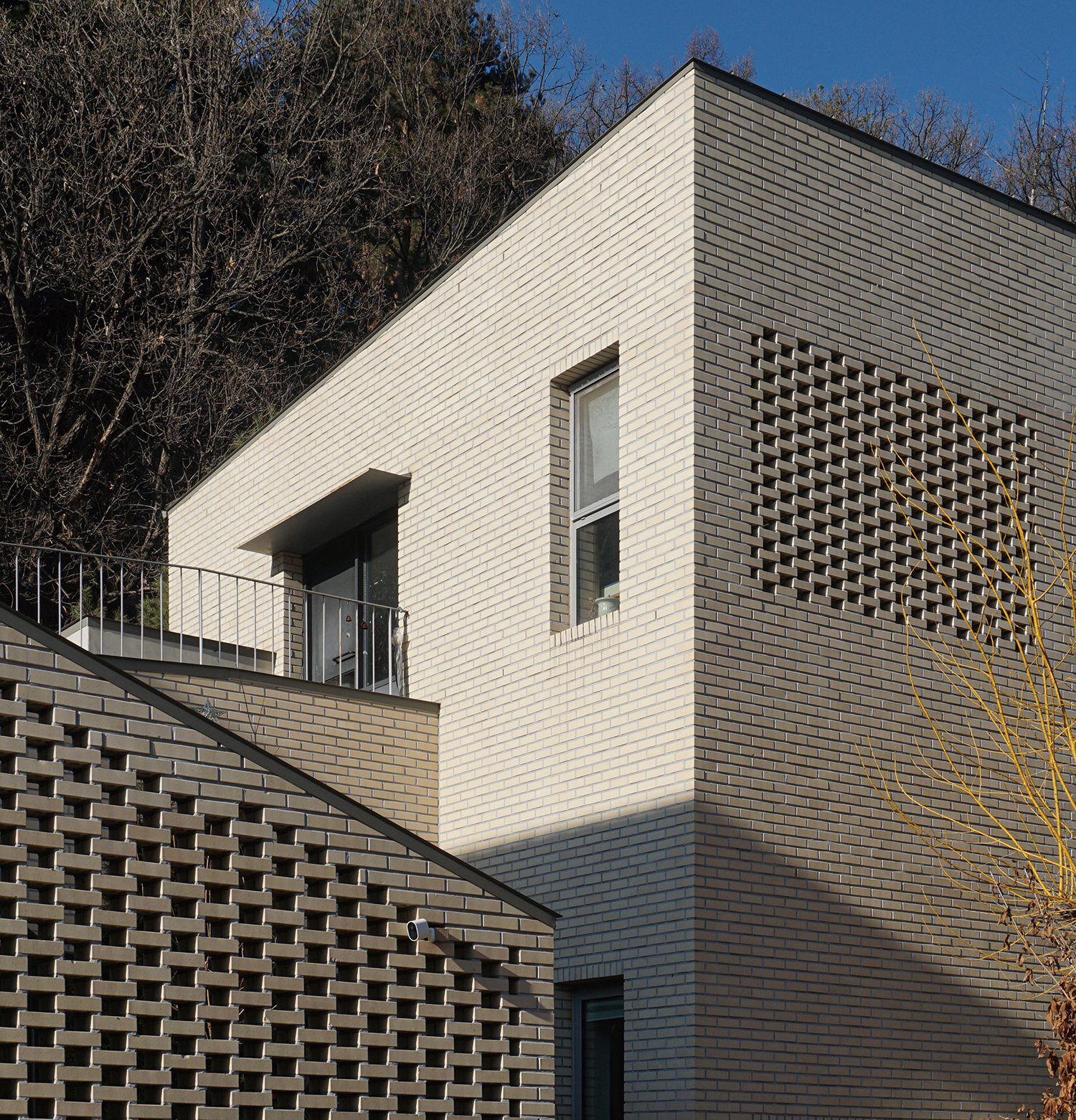
Office of architects office9kahn, Gaunde Bom (2016)
I AM AN ARCHITECT
‘I am an Architect’ was planned to meet young architects who seek their own architecture in a variety of materials and methods. What do they like, explore, and worry about? And how are architects in various regions expanding their own worlds in different ways? SPACE is going to discover individual characteristics of them rather than group them into a single category.
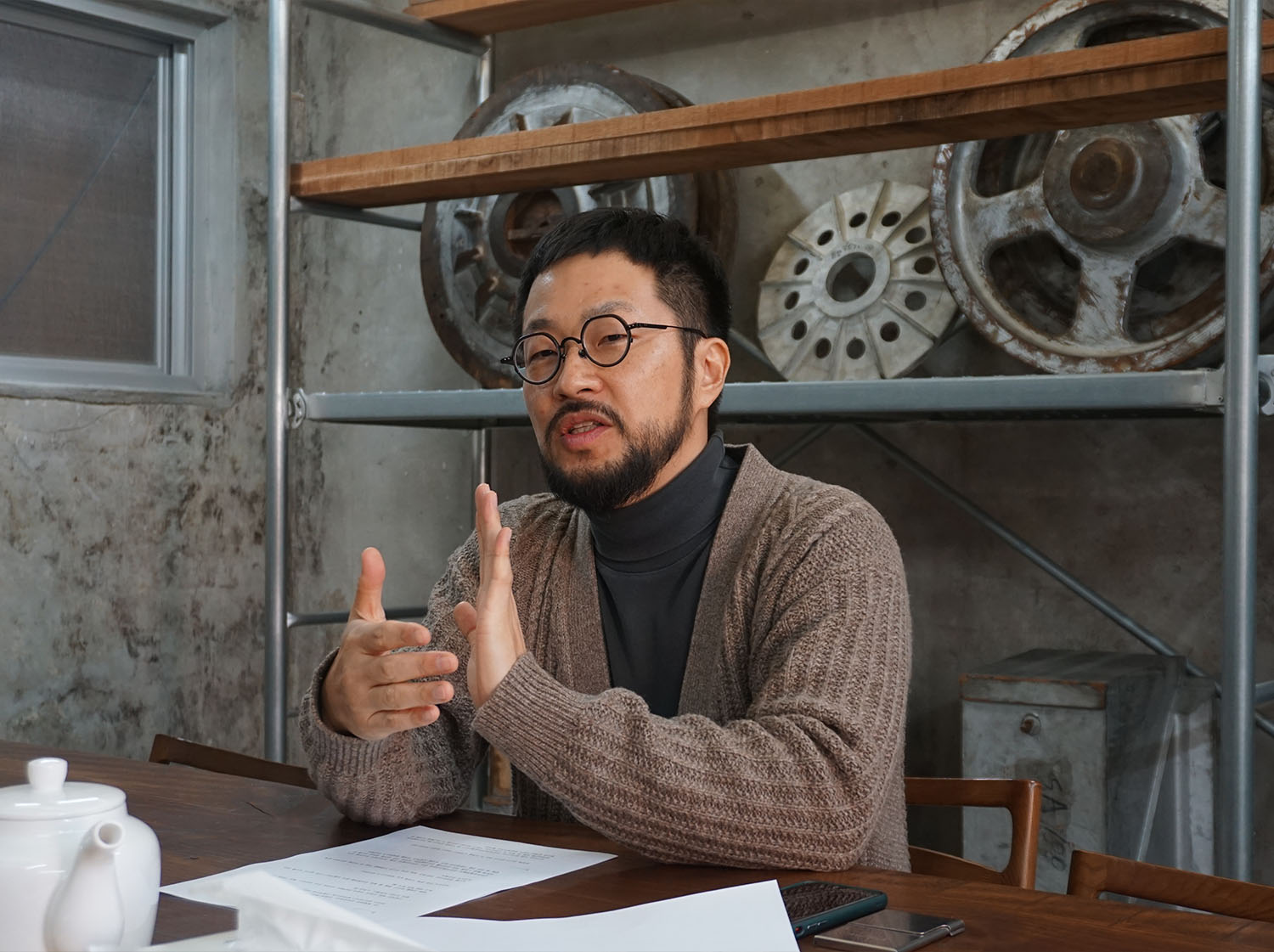
interview Park Kyoungmi, Jang Jeongwoo Co-Principals, architects office9kahn × Kim Hyerin
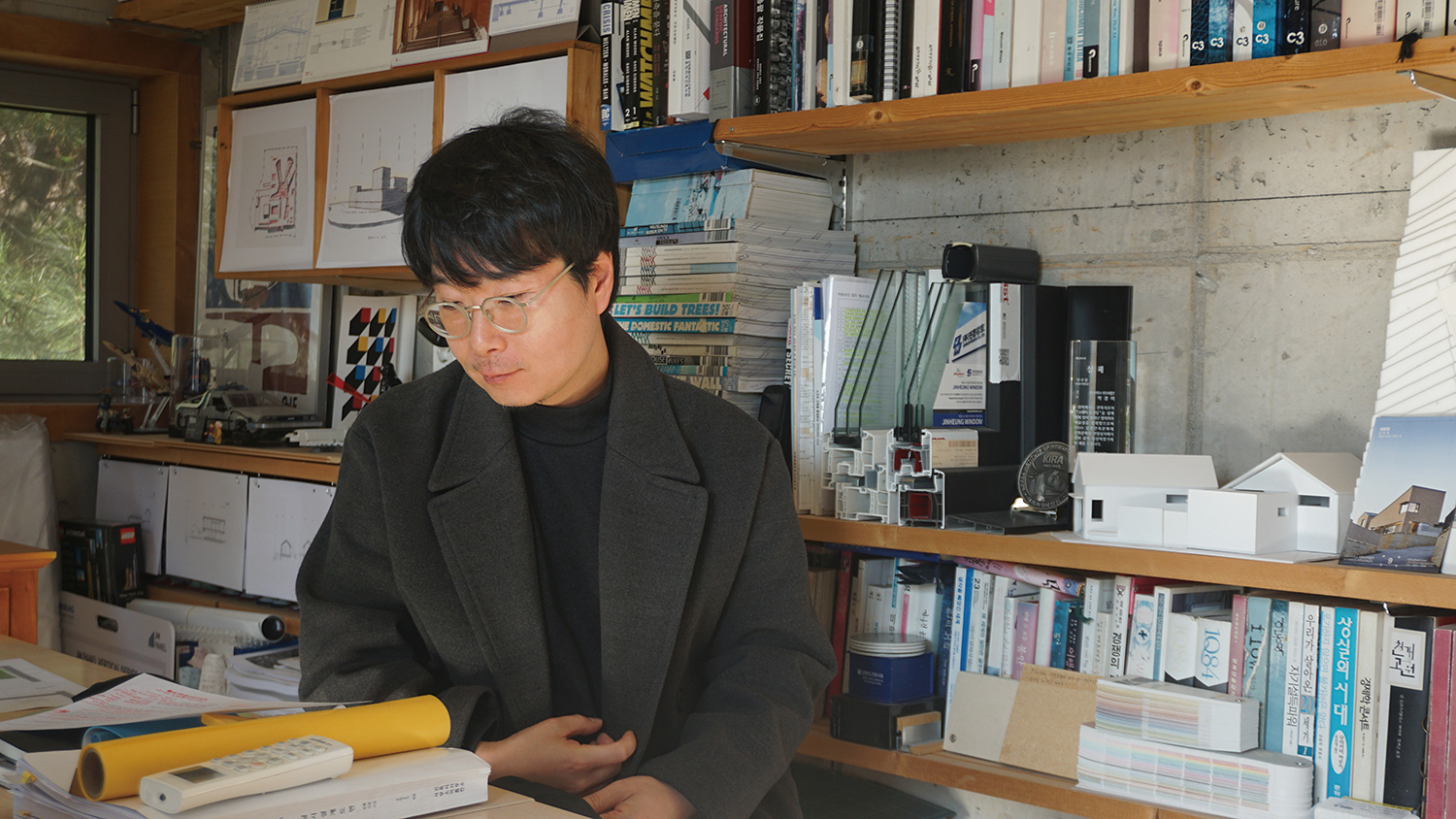
Jang Jeongwoo
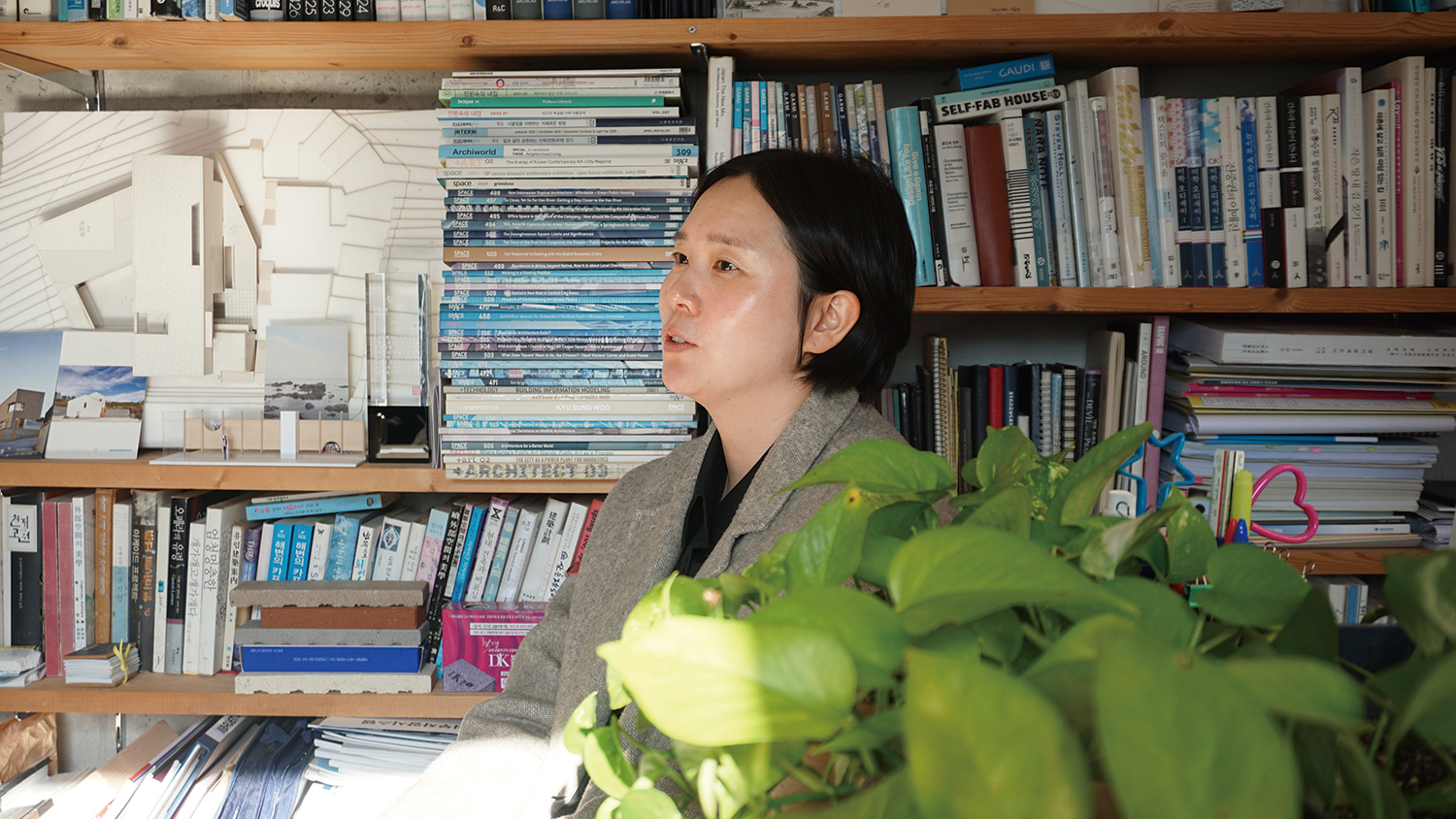
Park Kyoungmi
Sharing an Attitude Towards Life
Kim Hyerin (Kim): You opened architects office9kahn (hereafter office9kahn) in Gangwon Province in 2020.
Park Kyoungmi (Park): office9kahn actually began in 2013, but at that time it wasn’t an architectural practice. We wanted to try handcrafted work – making small finger puppets, drawing – and also exploring projects related to social enterprise. We wanted to do things other than architecture. That was how it started, but eventually we ended up beginning with interior projects and moving into architectural design. (laugh)
Jang Jeongwoo (Jang): We both used to work at a big architectural firm in Seoul. Rather than producing work related to construction sites, we participated in the planning stages of projects. Over time, we felt a strong desire to work on actually building things. We left our jobs, took about six months off, and decided to start office9kahn to take on very small projects. It’s run by the two of us as a married couple.
Kim: What was the reason for you choosing Gangwon-do, and specifically Chuncheon?
Park: Jang is from Daegu, and I’m from Chuncheon, but since we both studied and worked in Seoul, our professional base was there. As our family grew, it became difficult to balance work and daily life, so we decided to move to a regional city and work together. Since our projects are located all over the country, we felt that the physical location of the office wouldn’t be a major issue.
Jang: This was around the early days when social media was rapidly gaining popularity. I was already active on social media, so I felt connected to people regardless of location. In the past, moving away would have meant worrying about losing connections, however with social media, such concerns were less of a factor.
Kim: You live and work in Gaunde Bom (2016), a house you designed yourselves that also serves as your office.
Jang: Since it was built entirely under our direct management, it feels like an experimental house to me. Park handled most of the design, while I was the on-site supervisor. Initially, we envisioned a small multi-family house with a rentable unit, but once construction began, we realised that there were constraints in budget. As both architects and clients, we were probably too ambitious. We had to strip things back and think carefully about what truly needed to remain. In the end, it became a small single-family house on the ground floor with an even smaller office-studio above it. I personally admire Ando Tadao’s Sumiyoshi House (1975), and we wanted to create a sequence that forces one to experience the exterior environment when moving between spaces. To reach the office, you have to step outside the house and walk up a gently sloping roof. From the living room, one window frames the mountain behind the house, while the other looks out onto the yard. Conceptually, we wanted to connect the natural element of the mountain with the yard. Even though we kept subtracting elements, it was still a house full of things we wanted to try as architects.
Park: We learned a great deal through that process of subtraction—it helped us mature. We now guide our clients through similar decision-making processes based on that experience. Also, having worked at large firms, we hadn’t often seen a project through from start to finish on our own. We built this house partly because we wanted that experience. We began it around the same time as our first professional project, with the intention to avoid repeating the mistakes we made here in our clients’ projects. (laugh)
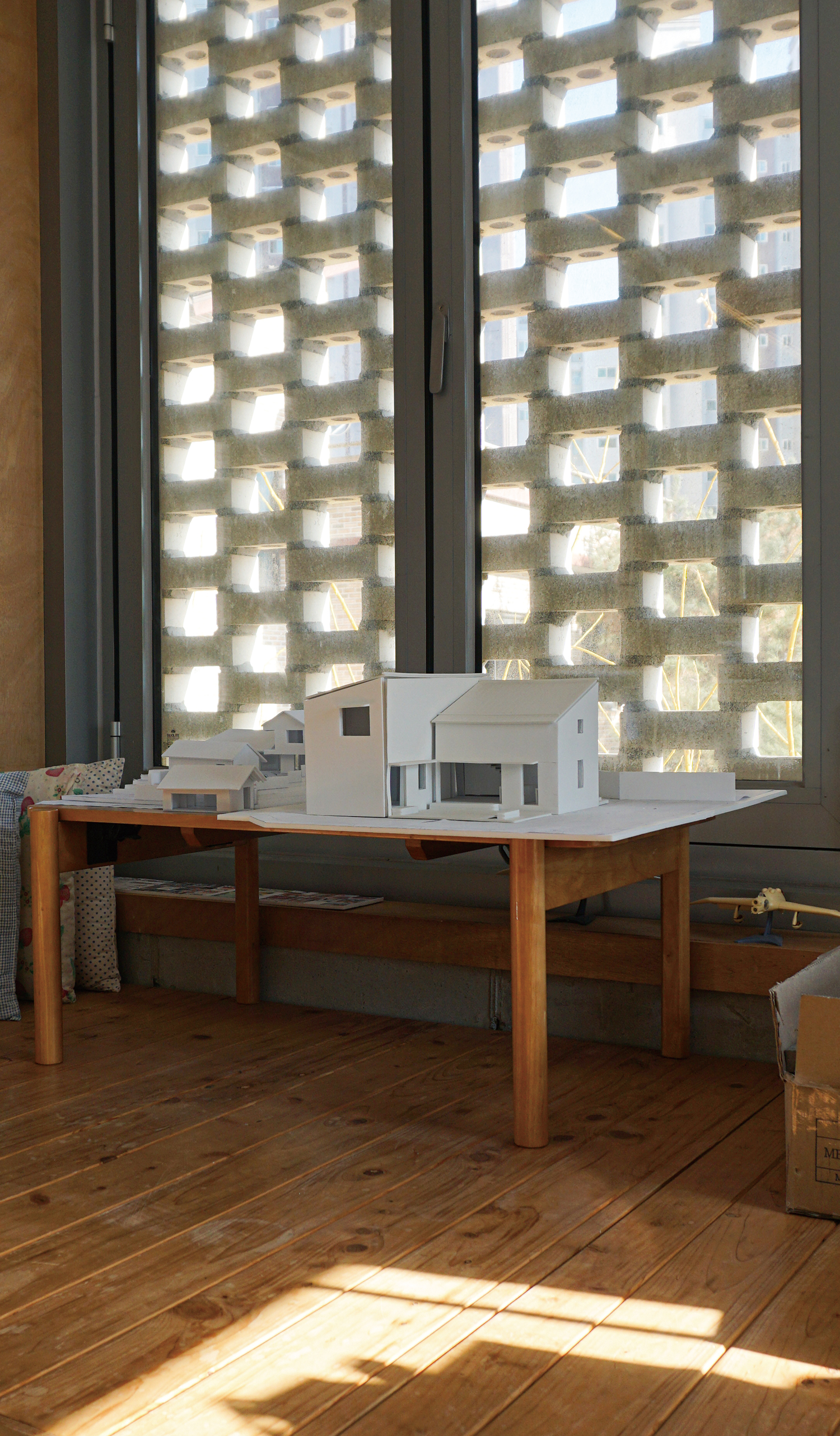
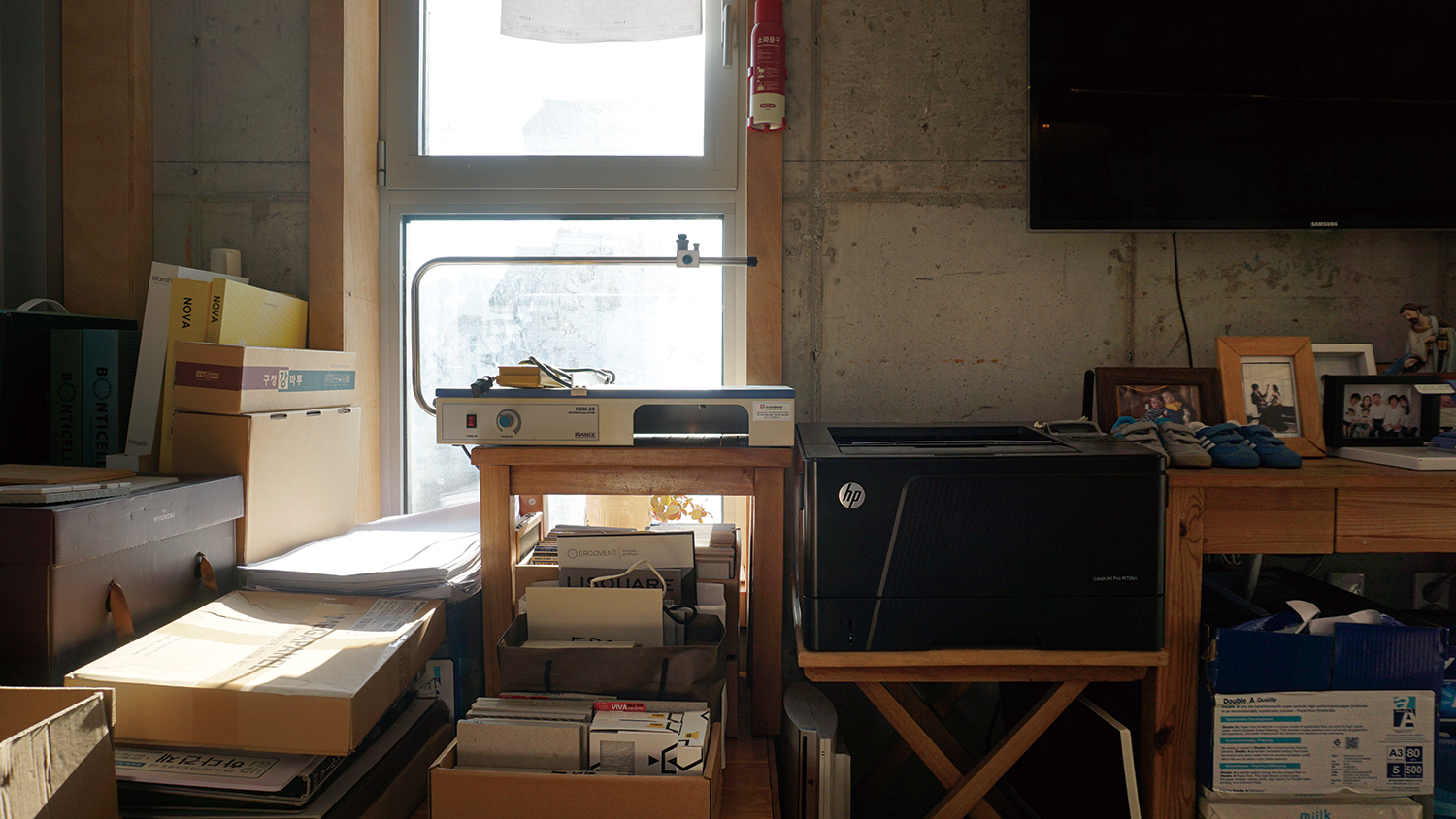
Office of architects office9kahn
Kim: Are there any benefits that you experience having your studio and house together?
Jang: It allows us to present our lives directly through space. We could have purely functional conversations with clients about projects, but, especially in residential architecture, sharing an attitude toward life with the client leads to a mutual understanding of each other—and that exchange ultimately leads to better architecture. In that sense, inviting clients into the space where we live and work, and talking there about the homes they will live in, is a major advantage.
Kim: What does it mean to share life attitudes with your clients?
Jang: Everyone has their own standards and values. Building a house is a process of defining those standards—it can even feel like a journey toward discovering oneself. Of course, not all clients approach it with that level of seriousness, and we don’t always have such heavy conversations either. With some clients, we talk more about realistic budgets; with others, we talk about dreams for certain spaces. Through those exchanges, each person’s attitude and way of life naturally begins to surface.
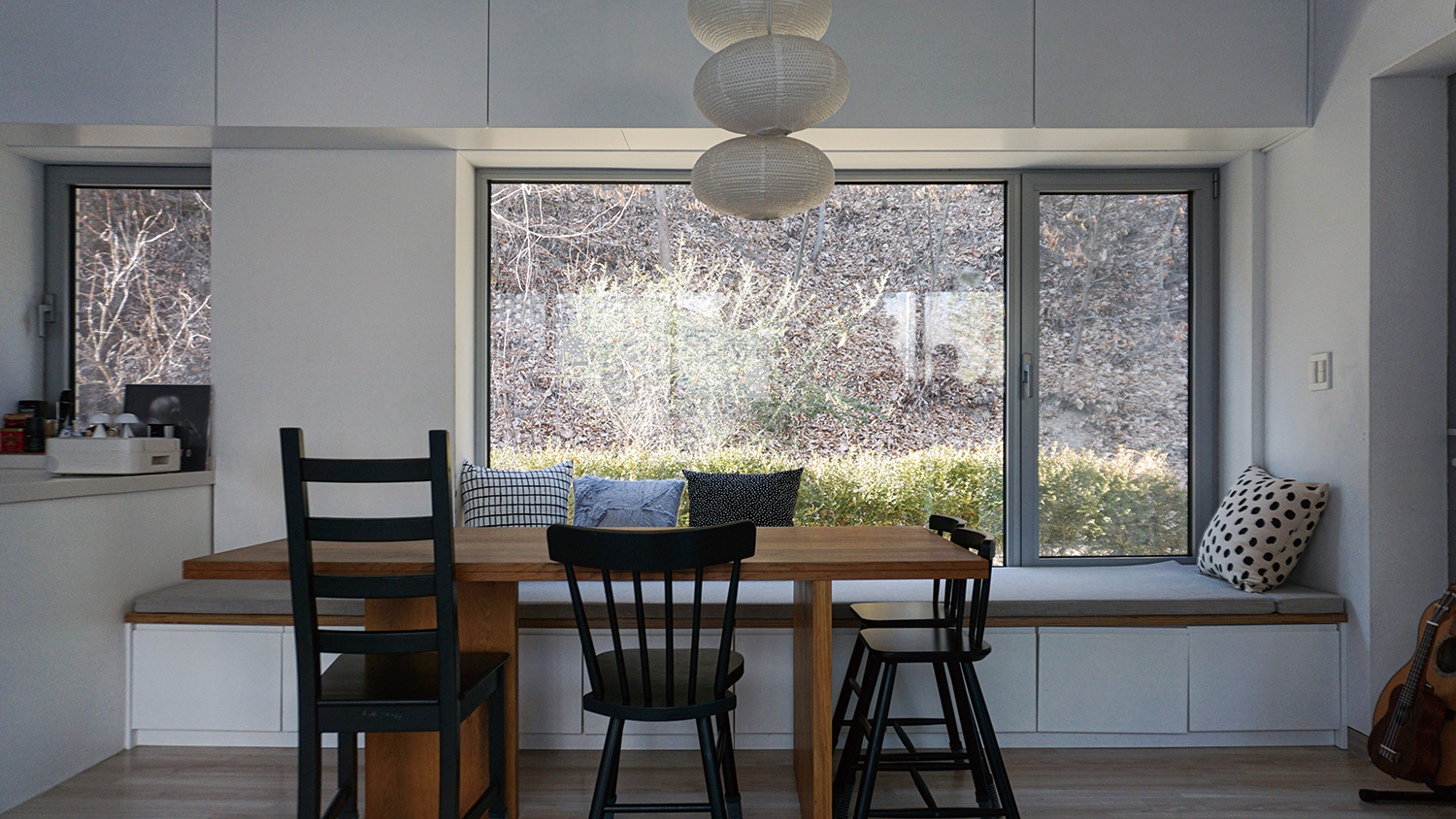
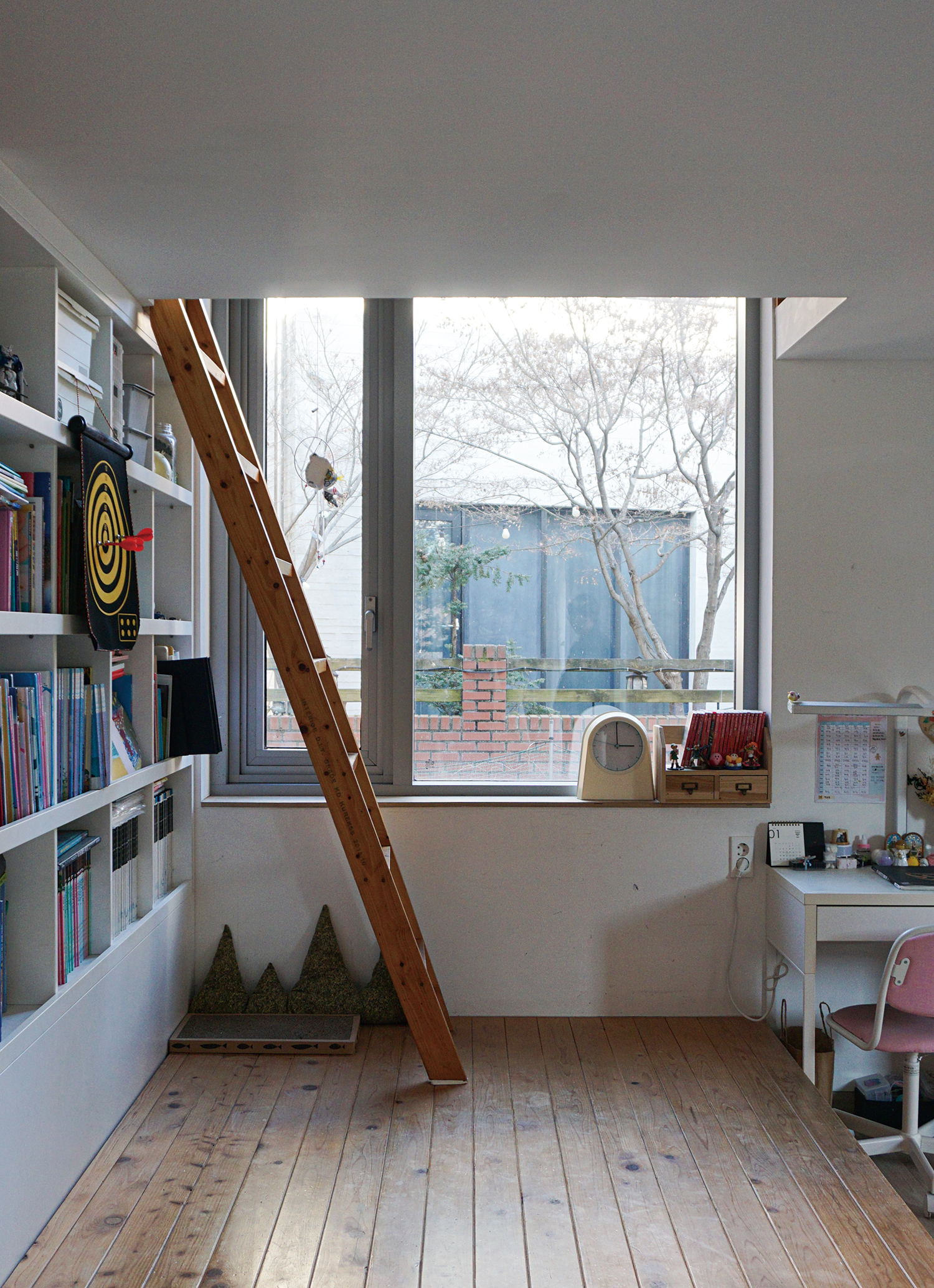
Interior of the home, Gaunde Bom (2016)
Architecture of Relationships and Flow
Kim: What does the name ‘office9kahn’ mean?
Park: Since it’s ‘nine kan (room)’, it feels as though it encompasses both Eastern and Western spatial concepts, and you can also sense a kind of spatial system within it. Nine is the largest single-digit number and carries a sense of completeness as well. In addition, the Korean word ‘kan’ reminds us of the architect Louis Kahn. (laugh) We packed many meanings into the name, but now, when someone asks about it, it’s actually hard to explain everything—so we usually say it simply refers to a 3 × 3 grid of nine units. That said, we’re not talking about a visible form or stylistic expression. Rather, it is closer to how we perceive space. We think of it as an intangible diagram that contains diverse thoughts within a single small space, while drawing boundaries and forming relationships between people, architecture, and the city.
Kim: What kinds of projects do clients usually approach office9khan for?
Park, Jang: We receive a wide range of relatively small-scale commissions. They include housing, neighbourhood living facilities, stays, and public architectural projects. In retrospect, however, many of our clients seem to be people who are starting something new—those at a turning point in their lives who want to build a house as part of a fresh beginning. We happened to meet them while we ourselves were starting our office, and we formed relationships while encouraging one another.
Kim: You’ve done quite a bit of public architecture. Is there anything you pay particular attention to in public projects?
Park: In public architecture, contractors are often not predetermined. Because of that, when a design involves a lot of craftsmanship, it’s difficult to achieve the level of completion we hope for. As we’ve gained experience, we’ve come to focus on finding rational solutions that can produce the desired outcome regardless of who ends up building the project. Also, many of the public projects we’re given arrive with the need for variations in users or functions, or with incomplete planning. Since public buildings, once built, tend to be used according to the original plan for a long time, we often find ourselves repeatedly questioning the intent behind that plan—how the space will be used now, and how it might be used in the future.
Jang: We keep asking why this facility is needed in the first place, and why it needs to be this size. The attitude of ‘re-questioning architecture’ means constantly interrogating the identity of public architecture. Ultimately, I think these questions can become the foundation for ensuring diversity in regional public architecture.
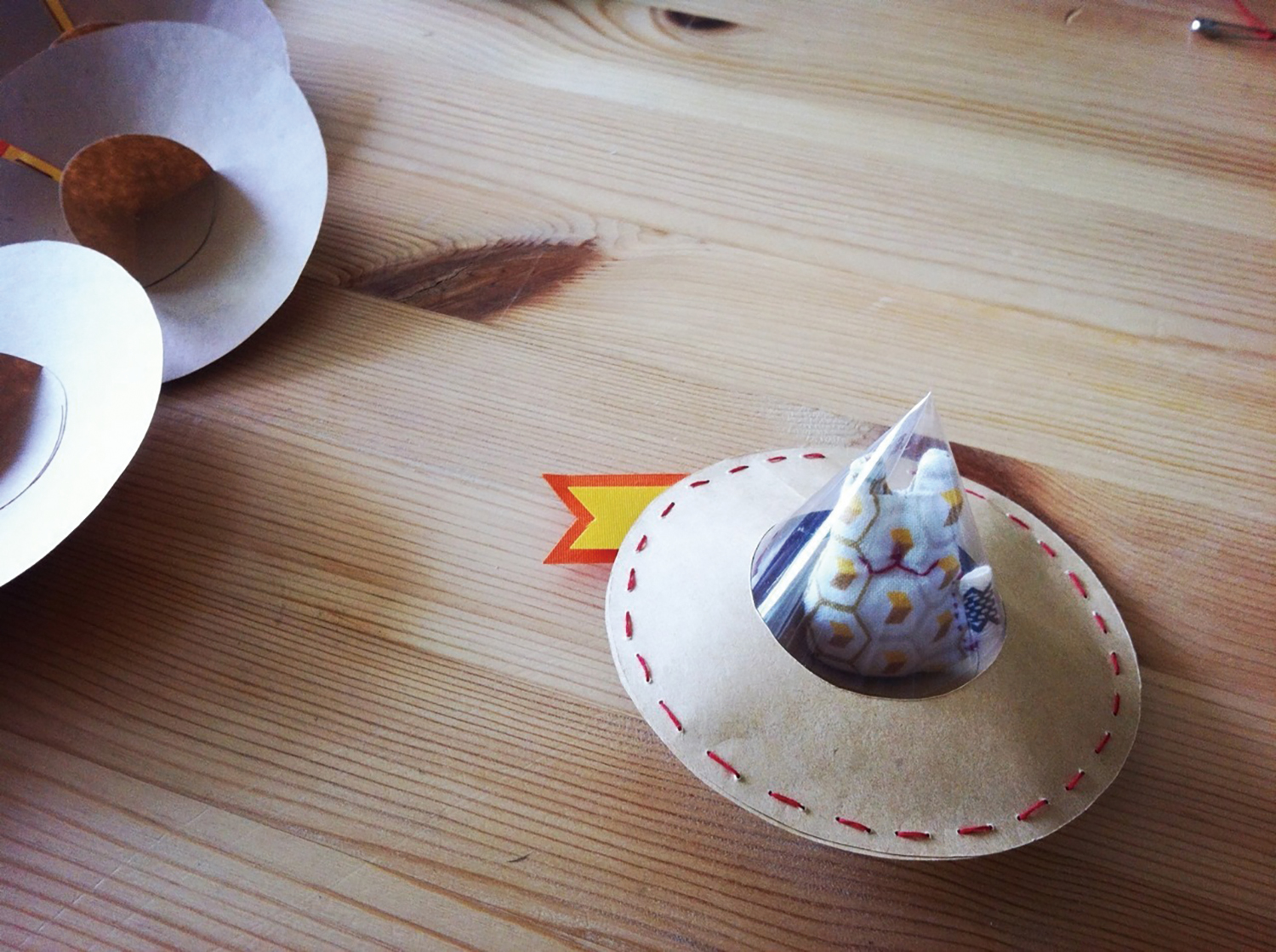
Handcrafted dolls made by office9kahn
Kim: Personally, I was struck by the geometric ‘architectural furniture’ you presented at Space WHO (Hupyeong Industrial Complex Cultural Center, 2025).
Jang: That project was also a small-scale public building, and small public projects almost always come with constraints—budget, schedule, and so on. Yet even within those limitations, architects like us want to create a sense of place. With architectural furniture, we reflected on architectural ways to reveal or guide users’ movement within programs that need to function flexibly for unspecified users. Most of what we call architectural furniture is custom-made furniture that, once installed, often remains fixed and becomes almost like a permanent part of the building. Because of this continuity, the furniture itself forms spatial boundaries or sometimes acts as an object on its own. We designed and placed these elements with the idea that by creating boundaries and order, we were also creating place.
Park: Even though the scale is small, it is work that generates spatial flow through furniture.
Kim: Were there any difficulties in realising non-standard furniture forms?
Park, Jang: Through trial and error, we have learned to treat furniture drawings almost like manuals. As we do not know who will be fabricating them, we try to make the drawings as clear and understandable as possible. In addition, we prefabricate as much as we can in the factory and then assemble on site. The less on-site work required, the higher the overall quality tends to be.
Kim: Could you introduce a project that you’re particularly attached to?
Park, Jang: Coincidentally, they’re all stay projects. In The Forest (2020) and Stay To seong-dang (2023) both sit on their sites, creating a sense of flow between interior and exterior while shaping Borrowed Groundscapes. By ‘borrowed groundscape’, we don’t mean distant vistas, but near views—foregrounds that are close to the eye. The Forest, in particular, was an early project in which we thought deeply about how the natural forest and The Forest could coexist. The site had a stream in front and a mountain behind. The client’s initial idea was a linear building oriented toward the best view, but we questioned whether that would truly form a good relationship between nature and architecture. We felt that there may be better ways to address this. Instead of orienting the buildings in a single direction, we gave each one a different orientation. We wanted it to feel like a village. Interestingly, a stay is, in some ways, a program that cannot become a village, because the privacy of each guest must be protected. However, the client was very interested in communication with guests, and by operating spaces that reveal a sense of community, they’ve been very satisfied thus far. It’s not a building we present as being architecturally perfect, but we loved seeing people – each having come for their own reasons – gather in the lounge of a cluster of houses sitting together like a small village, and encouraging one another.
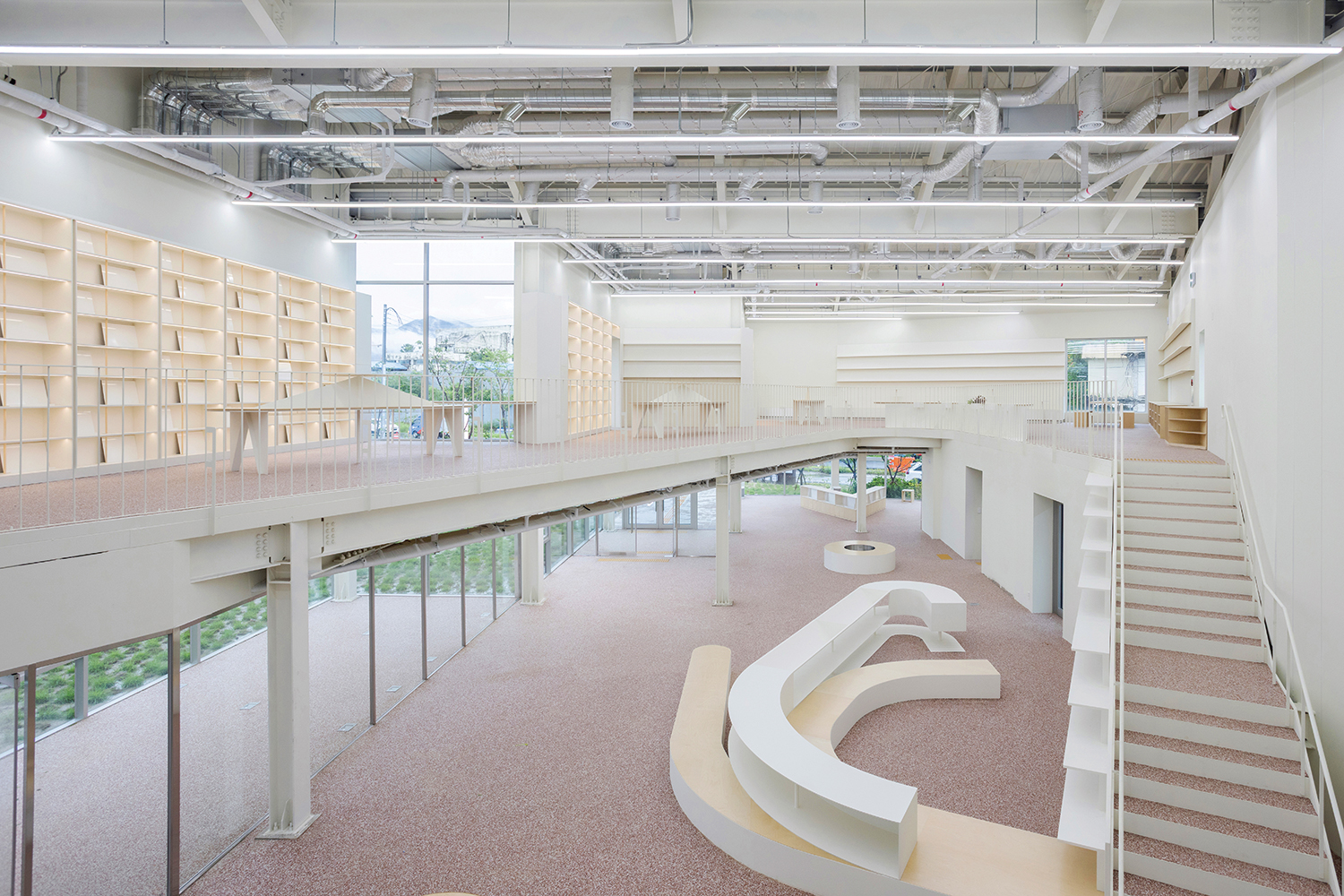
Architectural furniture installed in the Space WHO (Hupyeong Industrial Complex Cultural Center, 2025) ©Lee Sungwon
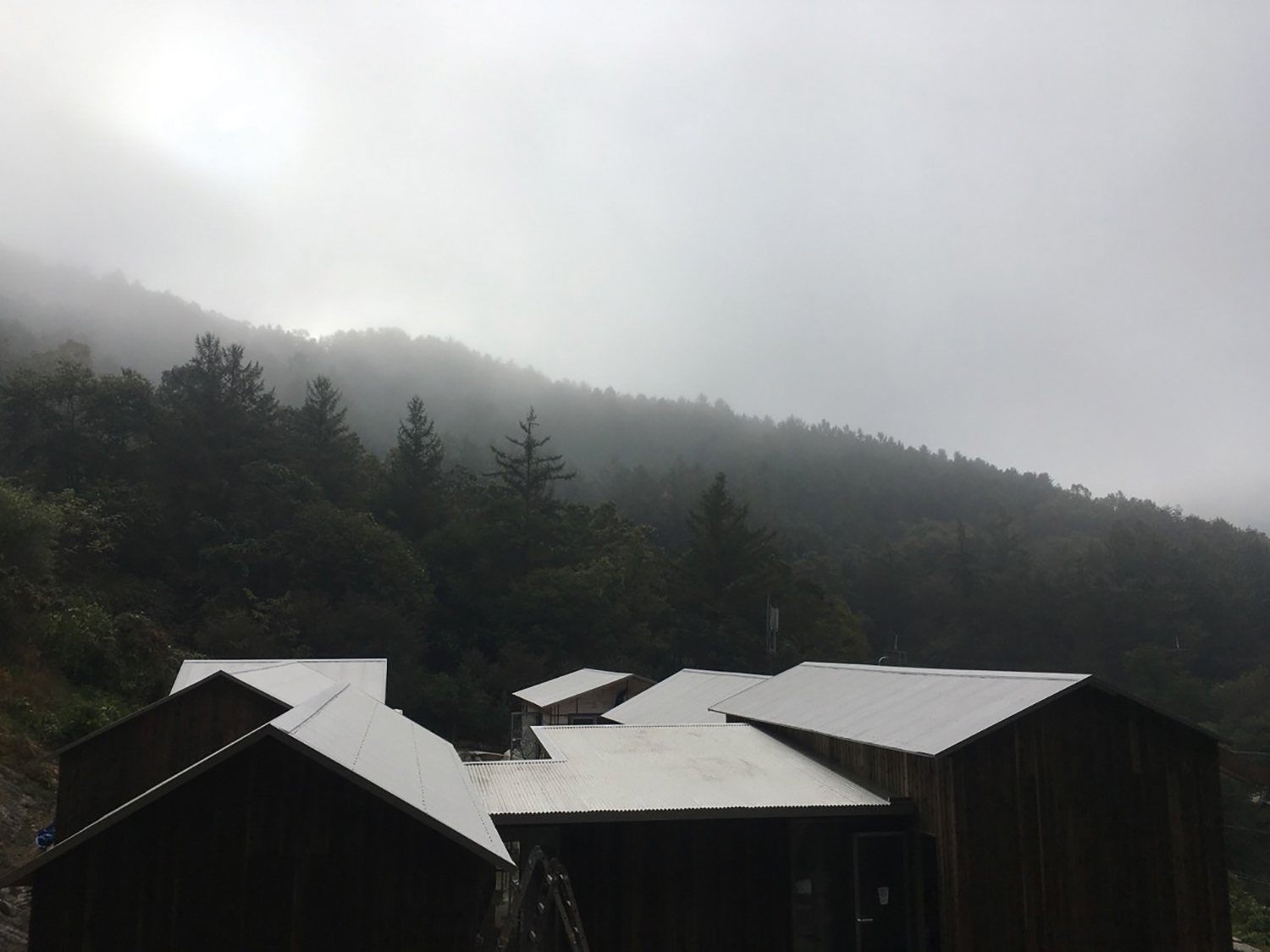
In The Forest (2020). Image courtesy of In The Forest
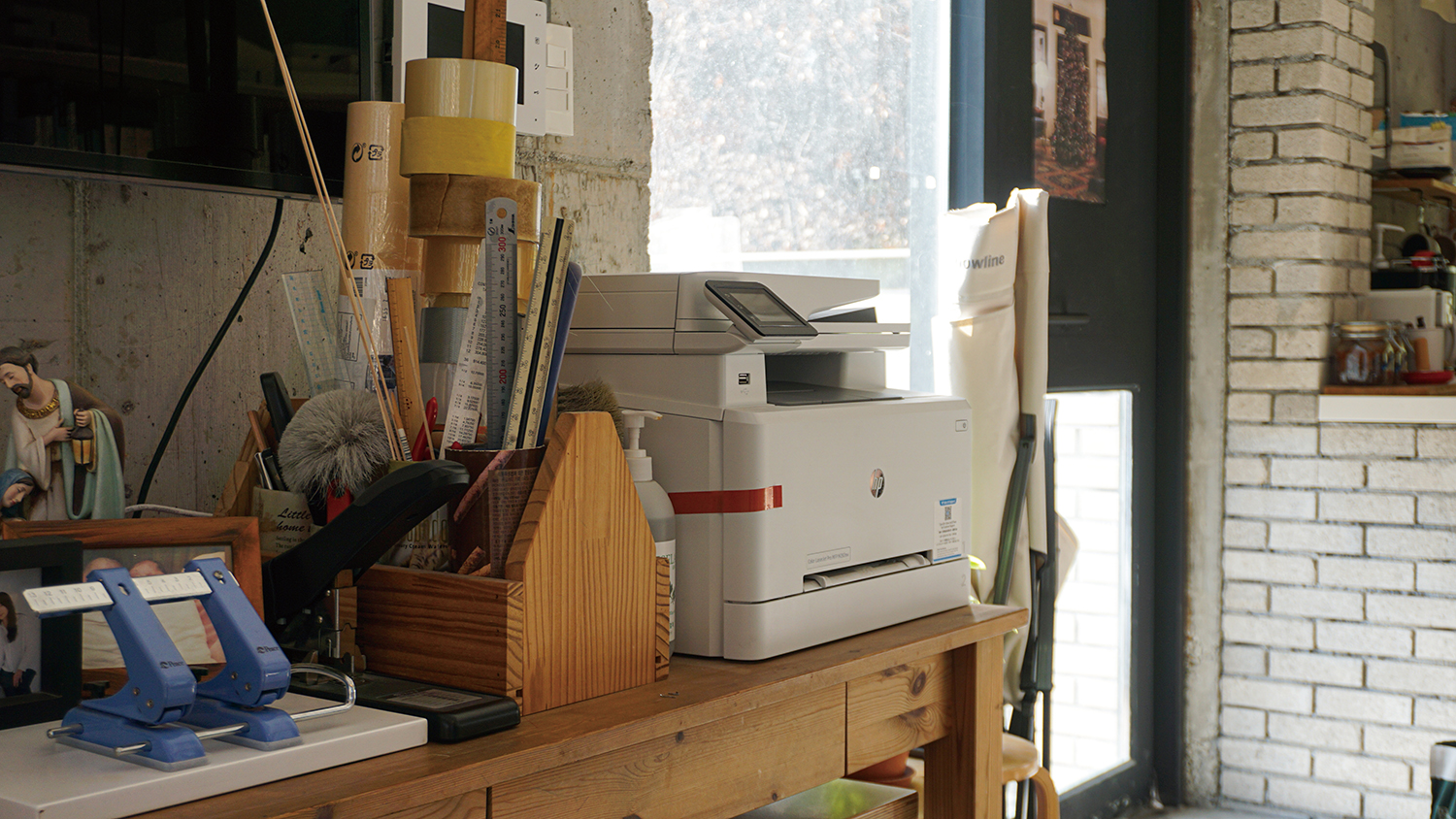
Daily Life at office9kahn
Kim: Is there anything that you would like to challenge yourselves with?
Jang: I would like to work on another project of our own in a different place, like this house. Of course, that would require money, so this is difficult in our immediate future. Yet it is something I dream about, though it may or may not happen.
Park: So far, the spaces we have designed have all had specific functions and intentions. We haven’t really designed spaces that are purely static. I would like to design places that offer spiritual resonance—such as a museum, a religious space, or a library. On a more personal note, something I want to challenge myself with in everyday life is traveling far away on my own. (laugh) I wonder what it would be like to be in a completely different environment from where I am now.
Kim: What are you most interested in these days?
Park: Things that are sustainable. Sometimes, what matters most to architects are materials or construction methods, and these days there’s a lot of discussion about the AI revolution as well. However, I find myself wondering what the final, singular value might be—the one thing that could ultimately remain with me. I have not yet found the answer, however hope that such a value will emerge someday.
Jang: Ever since studying architecture, I have always believed that questioning is essential. But at some point, I realised that I had stopped questioning my own work. I am curious whether I can recover that attitude of ‘re-questioning architecture’ for myself.
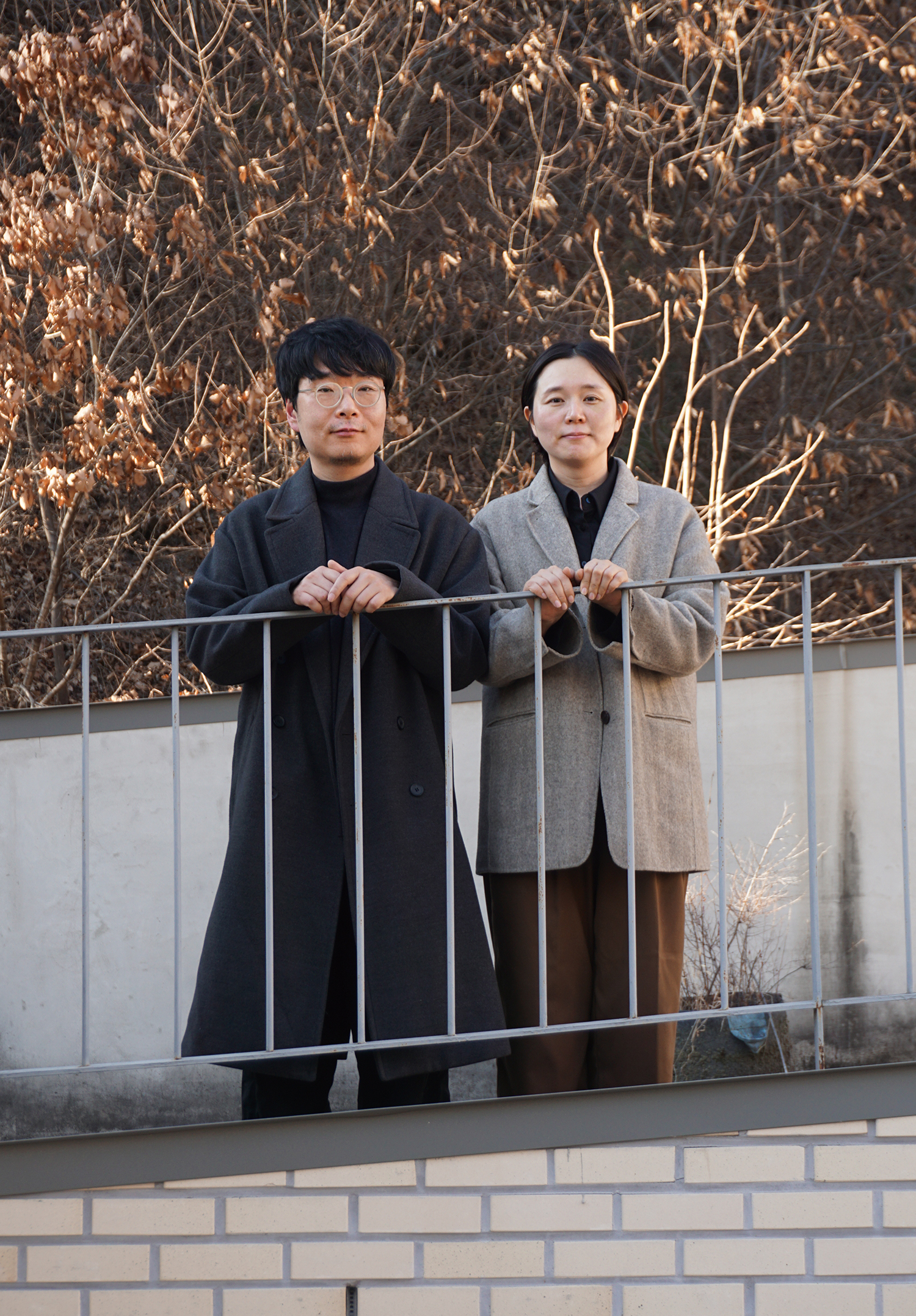
left Jang Jeongwoo, right Park Kyoungmi