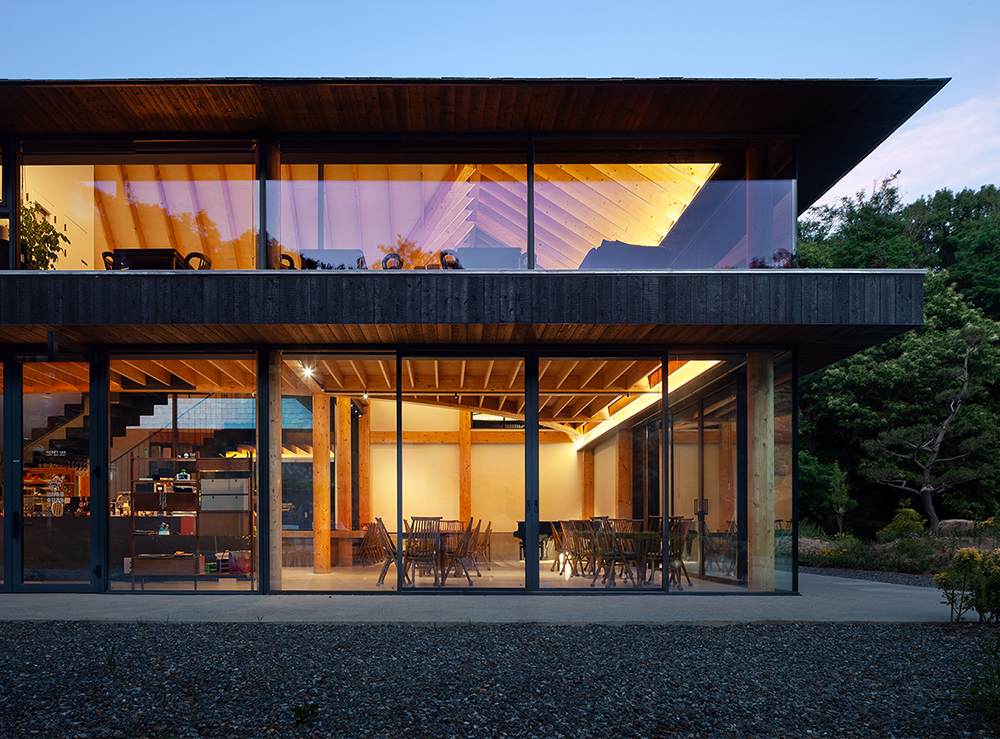
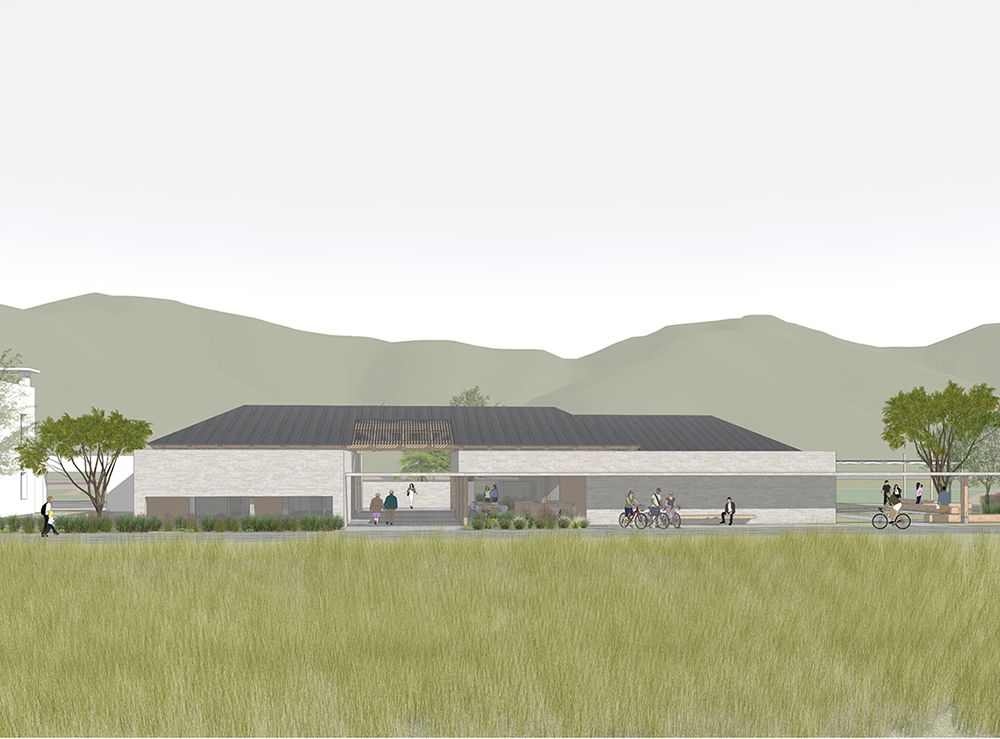
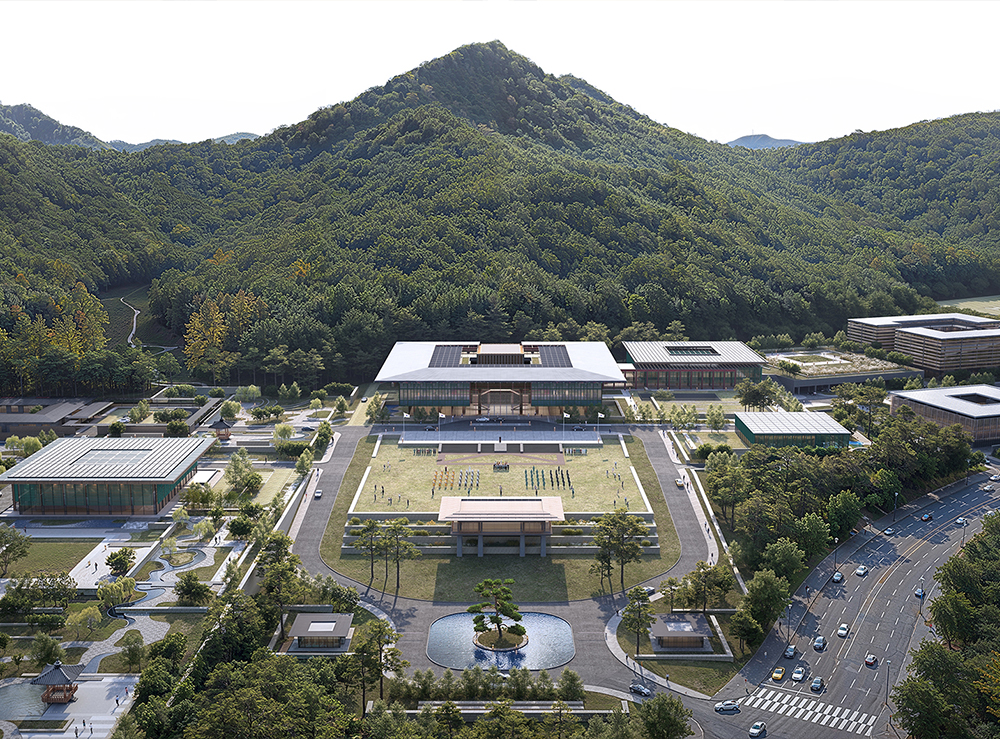
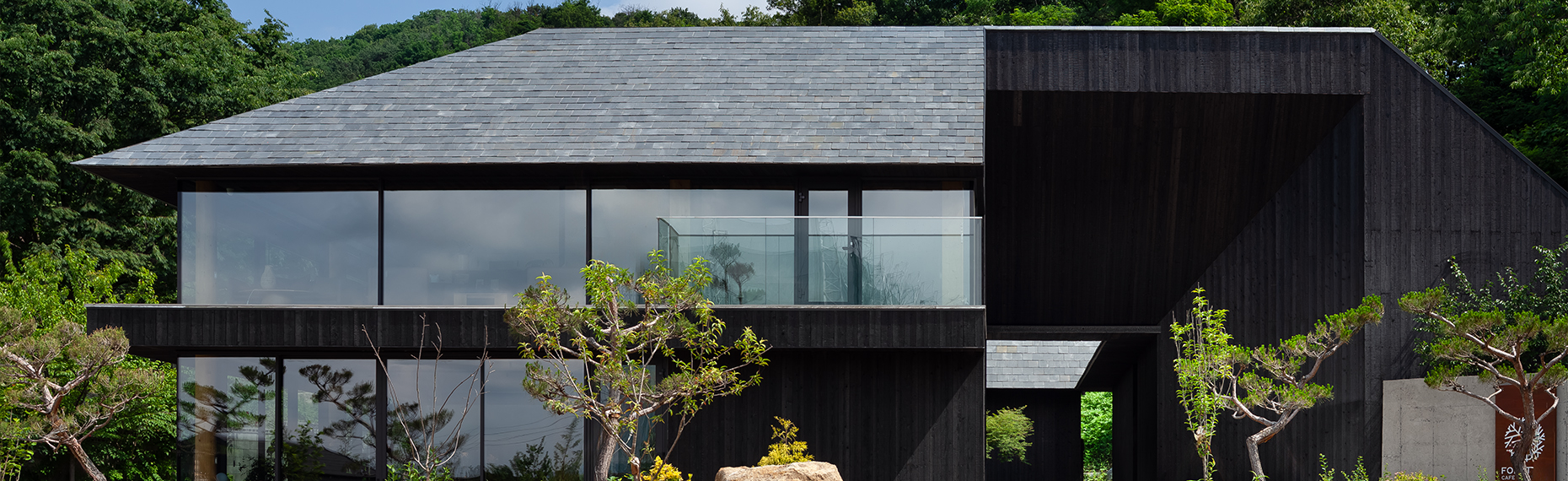
I still remember the moment I first set foot on this site. Although it was a 5–10 minute driving distance from the city centre of Dongducheon, it was as if I had entered a different universe. Even before the density and noise of the city had fully subsided, the air seemed to change at some point. Even now, it is difficult to pinpoint exactly where that line was. What is certain, however, is that beyond that moment, the sensations of the city were left behind, and a space of an entirely different order came into being. Surrounded by the forest on all sides, the site occupied a generous clearing at the heart of the woods. It felt less like a gap carved out of the forest and more of a place the forest had chosen to leave empty for itself. The sound of water running down from the surrounding channels, the sing song of birds, and grasses rustling in the wind overlapped in layers; simply standing there, enveloped by these sounds, brought an immediate sense of immersion in nature.