SPACE April 2026 (No. 701)
Legoist House and Legopian House (2000)
DIALOGUE Kim Seunghoy Principal, KYWC Architects × Choi Moongyu Professor, Yonsei University
Hospitality in the Office
Choi Moongyu (Choi): In the two recent FRAMEs from 2020 and 2022 (covered in SPACE Nos. 632 and 658), respectively, you discussed architecture in relation to the themes of surface and tectonics. What narrative would you like to focus on at this juncture regarding the four latest office projects?
Kim Seunghoy (Kim): Although the Sindori Workation Office (2024) is a case in which residential and office facilities were combined, thereby setting it aside to be considered separately, the remaining buildings belong to a type of ordinary offices. When it comes to offices, architects have almost no scope for intervention, as it is often said that once the core and skin of an office have been finalised, the work is essentially finished. So, when architects were asked to play such a minimal role, I considered nonetheless what architects must do. This may be, in a certain sense, the ethical position and vocational calling of architects.
Choi: Mentioning ethics and vocation sounds as if you prefer not to reduce everything to a single methodology, but rather to adhere to a commitment to respond to each individual building on its own terms.
Kim: When dealing with people, while there may be an approach tailored to each individual, a fundamental approach can be taken regarding the attitude one should adopt when dealing with humanity in general. Similarly, while office design involves responding to individual projects with good intentions and goodwill, there must also be duties that must be upheld universally. These could include harmonising internal and external order, allocating functions within a space, establishing a relationship between the space and its surroundings, and providing hospitality.
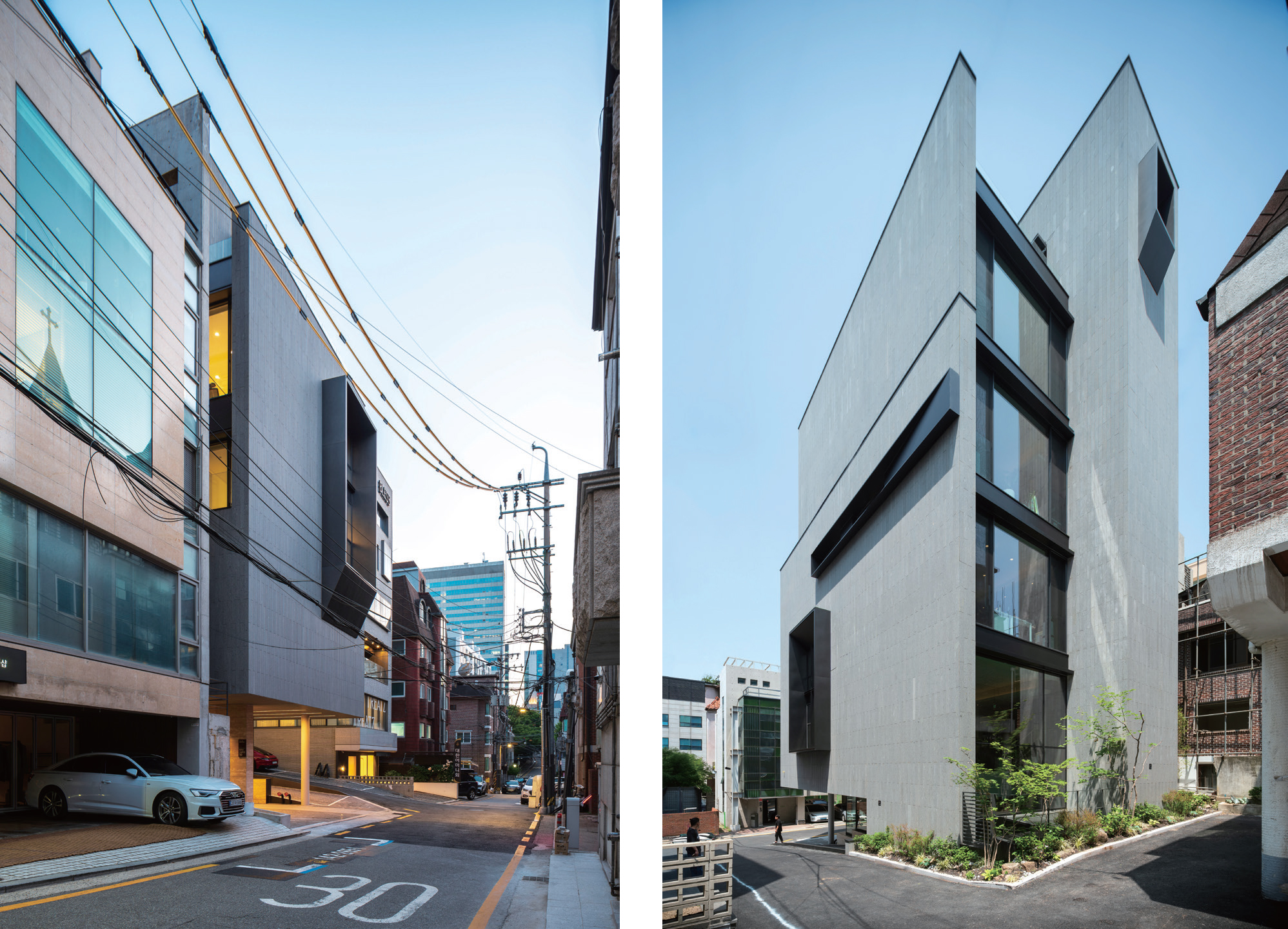
ZYX Technology Office(2024)
Choi: You used the expression ‘hospitality’ in your essay as well. In fact, hospitality is a term primarily used in public architecture, whereas offices are architecture designed for private clients. However, when viewed from a broader perspective, architecture is both a private and public asset. How do you define hospitality in office architecture?
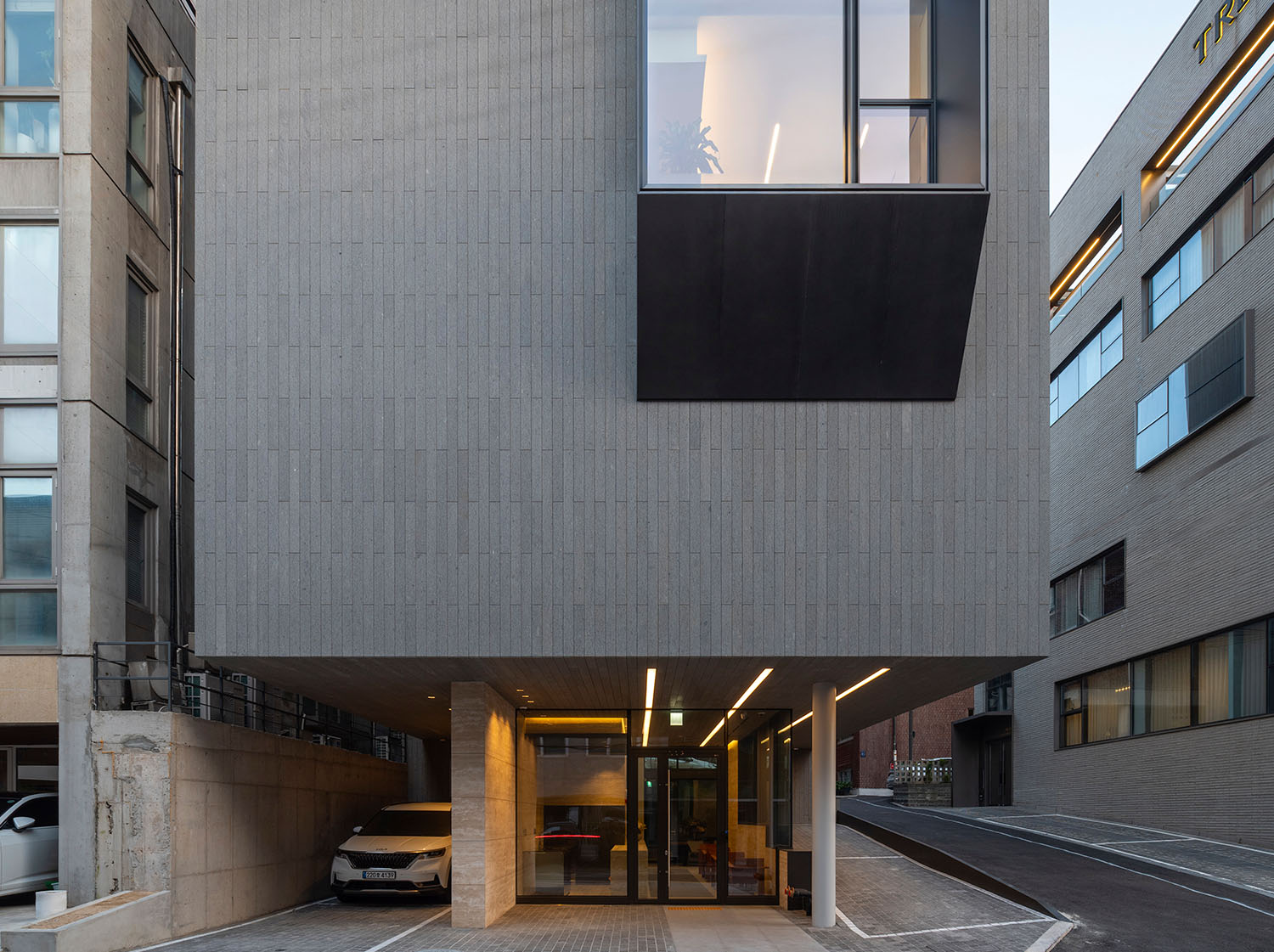
Kim: Prior to this discussion, I read People, Place, Hospitality (2015) by Kim Hyunkyung, which you recommended. The hospitality discussed in this book is of the unconditional kind as described by Derrida. It addresses the issues concerning how society must change to accommodate minorities, such as refugees, unpacking this issue from political and practical perspectives. However, the hospitality that I describe is closer to the way Levinas speaks of hospitality, in terms of dwelling and space. Levinas argues that we can accept another person because we are able to dwell, and that our ability to offer hospitality stems from having already experienced the hospitality of others. If architecture is to offer hospitality, it must possess both the good intention to accept others and a sense of pride in its own place. Yet, bearing in mind that hospitality and hostility share the same etymological root, I am aware that the person whom I offered hospitality may, at times, become an enemy. The ability to build one’s own building signifies belonging to the wealthy class also. The fact that their spaces can adopt a pose of hospitality towards neighbours is also a manifestation of their good intentions and ethics. This pose of hospitality can be made manifest through various architectural languages, such as creating intermediate zones between the interior and exterior with loggias and colonnades, elevating the building mass on pilotis to create voids, or opening up with terraces that can respond to the urban street. Following the form of the space comes content, and its examples include placing chairs in spacious areas or creating gardens alongside pathways.
Choi: In addition to those previously published projects such as Café Comma (2020) or Yaein Church Daniel School (2019), the pose of hospitality is clearly evident in the projects made public this time. In the case of the Seogwipo Samda Building (2024), an understanding of the site led to the creation of a path inside the building that leads to the city hall situated at the rear. Similarly, at the ZYX Technology Office (2024), the first floor is elevated on top of pilotis and remains open, revealing a deep space beyond which a bright space unfolds upon entry. I believe this architecture is made possible because Kim Seunghoy has always kept in mind the social vocation that architecture must fulfil. However, how should we interpret the way hospitality was realised in the case of The Nature Holdings Office (2025)?
Kim: When you enter at ground level, you arrive in a large open space, which leads directly to the rear courtyard. This is then connected to the second floor through a grand staircase. The aim of this design was to create a public space. While a building designed as a rectangular mass would be sufficient, we designed the building to facilitate communication with terraces and balconies opening up in two-storey heights. While hospitality is typically said to take place at ground level, here we have attempted to conduct a dialogue with the street even from the upper storeys, making ‘hospitality and communication’ a more fitting expression.
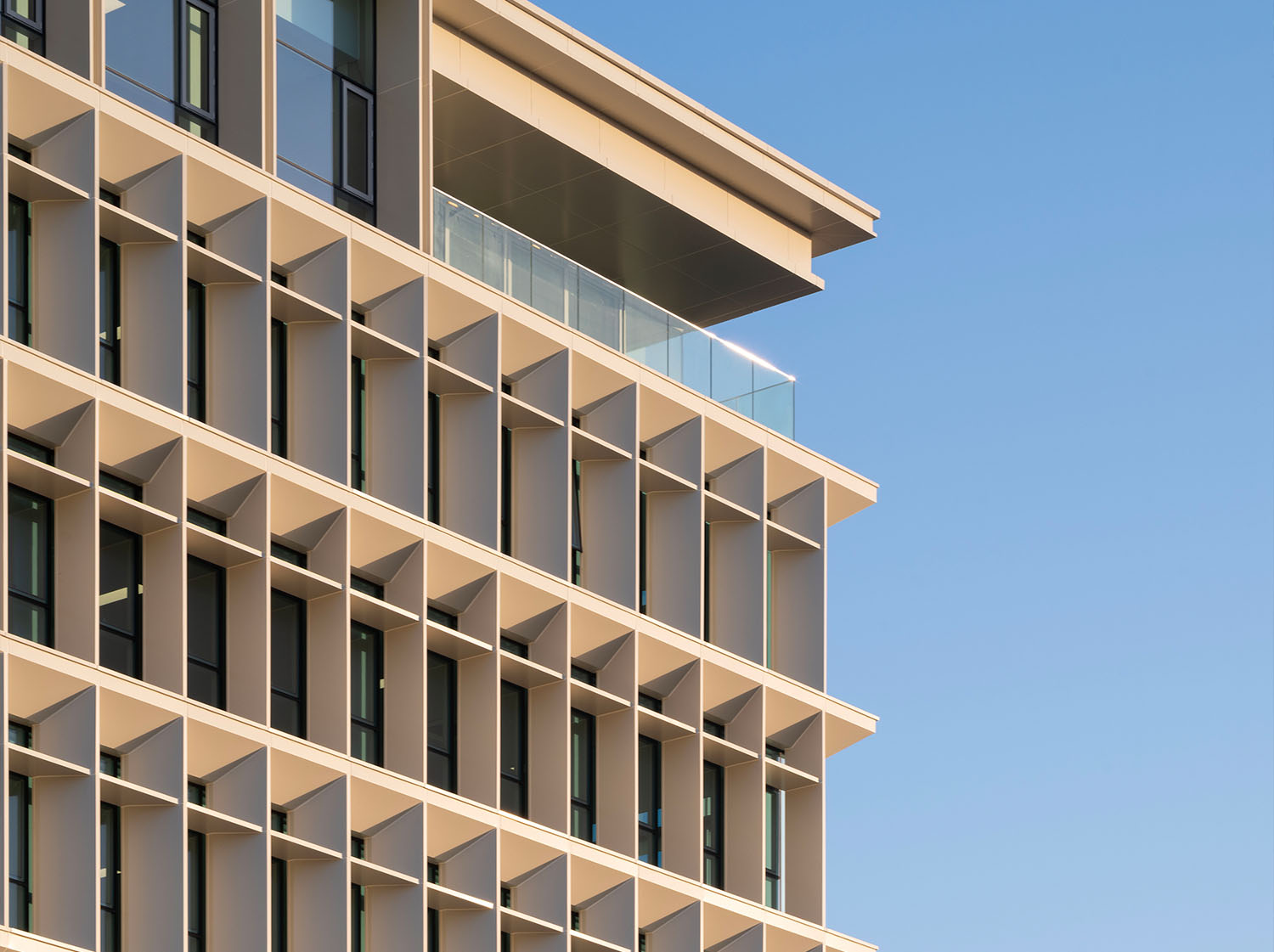
Choi: As offices require universal and economical spaces, we design a typical floor, stack and wrap around their multiple in a façade. While it may be difficult to notice at first glance, a closer look at The Nature Holdings Office reveals that this project has a very different facial expression to the ordinary office buildings on either side. It rather bears closer resemblance to the residential building facing it across the street. Furthermore, while the building itself is neutral, the core has been designed to avoid mere neutrality, a technically complex yet lucid and explicit system has been established. Since Mies van der Rohe proposed high-rise buildings composed of repetition and homogeneity, architects have sought to resolve this very homogeneity by moving away from Mies’ model of workspaces and adopting free-form furniture layouts or atrium-style buildings where spaces open up to one another from the central space on the inside. It appears that Kim Seunghoy intended to present a different and alternative prototype for the office. It is a place of work, yet also a heterogeneous space. What was the reason for planning this different type of office?
Kim: I thought that we needed to evolve from a space where employees sit and work uniformly to a space that possesses ‘difference’. While this will largely depend on how users utilise the space, architects have the ability to open up those potentials. For The Nature Holdings Office, we used the 3m structural thickness to create balconies, trying out both voids and solid forms, while also altering the elevations. Although we did not design multiple forms of cross-sections, we added small spaces to leave room for the possibility of having ‘difference’, and these spaces connect to the elevations and project a distinct voice towards the outside world. I feel as though they are shouting, ‘Let’s all be different from another.’ As The Nature Holdings runs more than ten clothing brands, the elevations of this office also carry metaphorical significance. This is a project that would have been impossible for me to do in my 30s and 40s, when I was focused on creating orderly forms. In a way, it feels like it has been informed by the audacity inherent to an architect’s later works. ZYX Technology Office is slightly more restrained in its facial expression. While the south elevation is a homogeneous curtain wall, the north and west elevations, which are visible from the street, feature openings that vary from floor to floor. Consequently, a different sense of space is experienced when entering each floor. The Seogwipo Samda Building is an eight-storey building in which the floor plans and elevations differ slightly on each level. Above all, creating ‘difference’ was important to me.
Choi: The background materials state that ‘I believed that the surface layer of an exterior wall with a certain thickness would create a new form of office.’ To ‘believe’ ultimately means that you ‘wanted to do it’. Furthermore, it suggests that if the elevations possess greater thickness, rather than the ‘surface’ that has been the norm since modern architecture to the present day, the space created within it will give rise to a new form of office. There is an ‘intermediate space’ with characteristics that are somewhere between a home and a workspace. Examples include homes and cafés being used as offices during the pandemic. However, as we are currently in the era of neoliberalism and it was cold on the day of our visit, I could not fully ascertain whether this would be applicable to other buildings or if it would actually operate. Nevertheless, Kim Seunghoy’s thick elevations seem to dream of perhaps such an ‘intermediate space’.
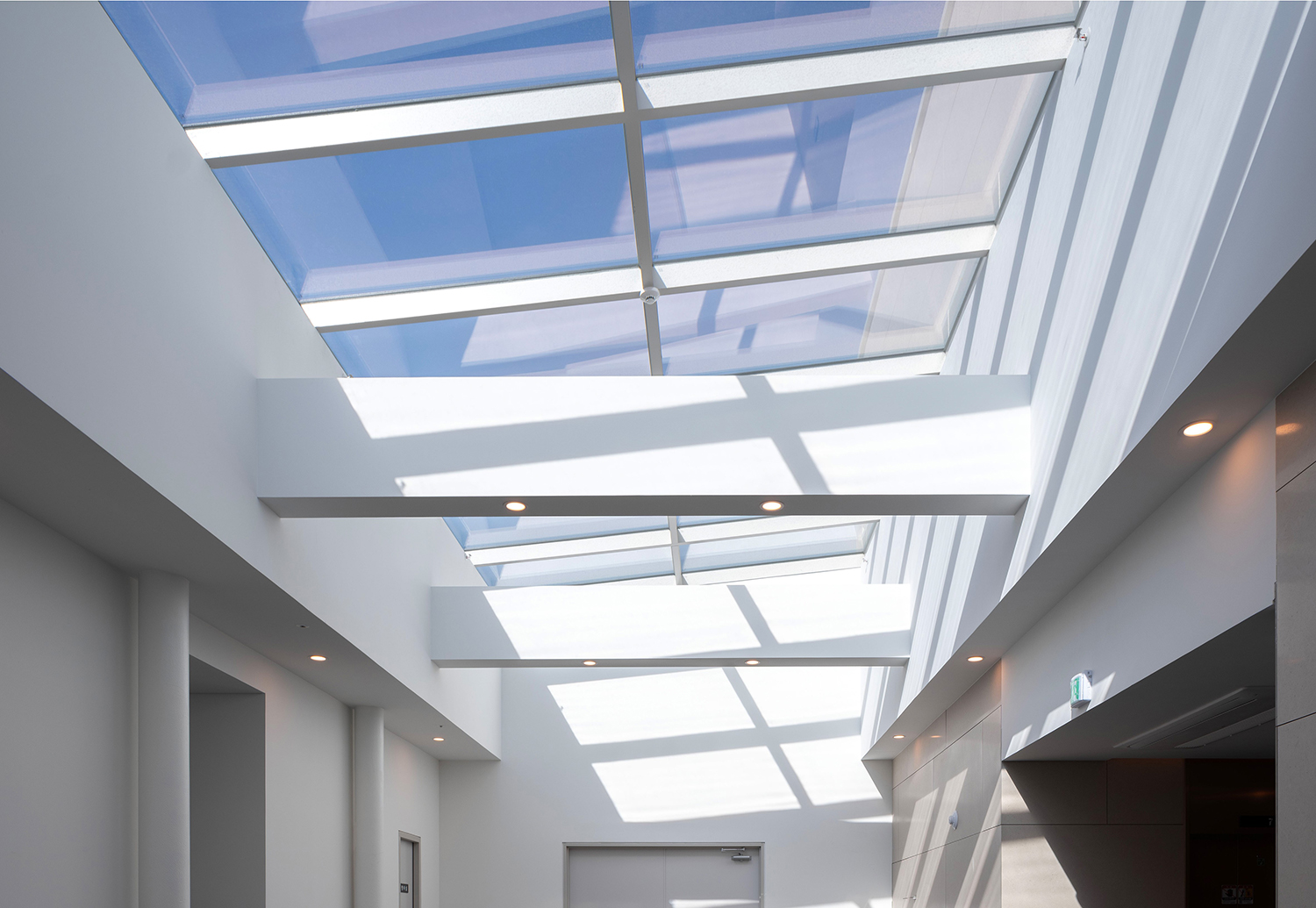
Seogwipo Samda Building(2024)
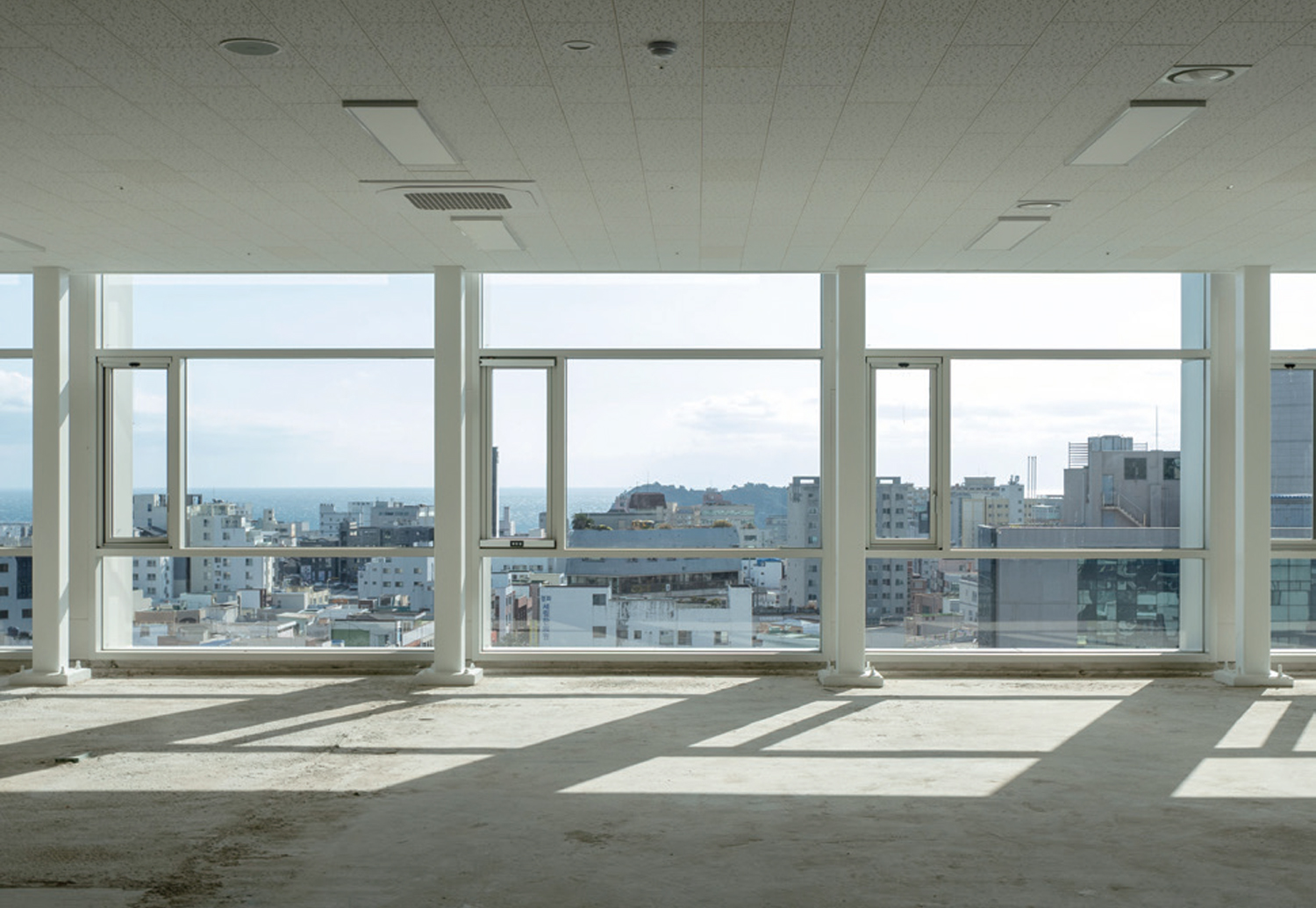
Seogwipo Samda Building(2024)
Invisible Tectonics
Choi: I have been consistently following Kim Seunghoy’s work since the early 2000s. Over the years, Kim Seunghoy has made distinctive attempts at erecting buildings. Rather than simply covering them up with an envelope, he reveals them while ensuring that each element is finished to a high standard at the same time. In fact, when I first viewed the projects featured here in photographs, I felt he was focusing on the surface rather than delving into tectonics as he had in the past. However, upon visiting the sites in person, I realised that he was practising ‘invisible tectonics’ rather than ‘visible tectonics’. Where did this shift originate?Kim: When I was a little younger, I wanted to set down rules in architecture and leave a footprint of my thoughts. Now, however, I find myself wanting to seek out those footprints I left behind and erase them little by little. Where I used to clearly reveal the structure and its subordinate elements, more recently I have been shaking up these relationships to explore whether there might be new possibilities. In the case of the All Nations Church Education Center (2019), there are concrete columns arranged in a row along the elevation, like a colonnade. Had these colonnades touched the ground, one would have easily recognised it as part of structure, but by configuring it as floating masses, we have subtly concealed their structural nature. Furthermore, although the actual number of colonnades was not as many as might appear necessary, we arranged them at a slightly higher density. It is a kind of excess. However, this excess enabled us to reduce the structural cross-section further, resulting in slender, elongated proportions. Consequently, I am currently interested in methods that slightly obscure what would otherwise be pellucid. I am experimenting with complex entities that are perceived as structural, decorative, surface-like, and recognised as special materials. Examples of these include the Jung Clinic (2014, covered in SPACE No. 566), All Nations Church Education Center, The Nature Holdings Office, and ZYX Technology Office.
Choi: In micro-cosmos Soyul (2014, covered in SPACE No. 566), the elements that fulfil a structural role are visually revealed. In contrast, while the ZYX Technology Office features a floating mass that creates a slight sense of tension, it is difficult to discern how this composition can be structurally possible. Furthermore, unless one enters The Nature Holdings Office, one would not realise that it is a building with sense of tension in structure. In particular, the front façade does not appear to serve any structural purpose at all, yet it plays a role in resisting lateral forces.
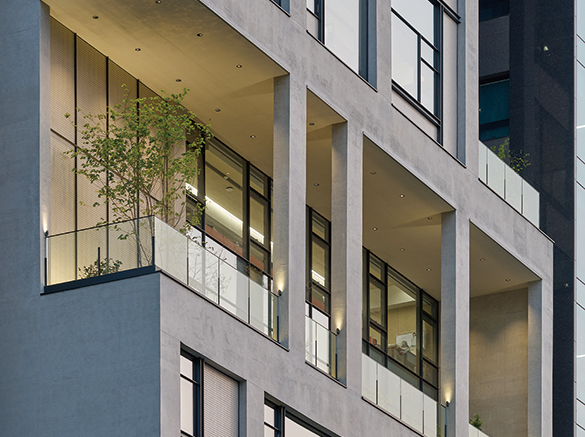
Kim: The front elevation of The Nature Holdings Office serves a similar role to a vierendeel truss. The walls on either side are reinforced concrete structures (RC) with quite long spans. We needed to resolve the lateral forces acting perpendicular to the structure, and we attempted to achieve this through the irregular structural grid of the façade. The size of the structural frames I usually use is typically around 300 or 400mm, and even at their thickest, they do not exceed 900mm. However, for The Nature Holdings Office, we had to use considerably thicker frames, measuring 1,200mm, to accommodate the long spans and lateral forces. As a result, it displays a different proportion to the buildings I have designed in the past. This is likely one of the reasons why Choi Moongyu feels that The Nature Holdings Office differs significantly in character from my previous work. Furthermore, while the office building on the left side of The Nature Holdings Office is set back 3m from the boundary line of the road, the building on the right was designed to sit directly on the boundary line. To respond to this, we made the thickness of the surface layer 3m thick to create a balcony and pilotis. There is also a 3m-deep opening at the corner. As The Nature Holdings Office is not situated on a corner plot or in a plaza, this was designed to ensure that people travelling by car or on foot could recognise the building from the side and find their way to access.
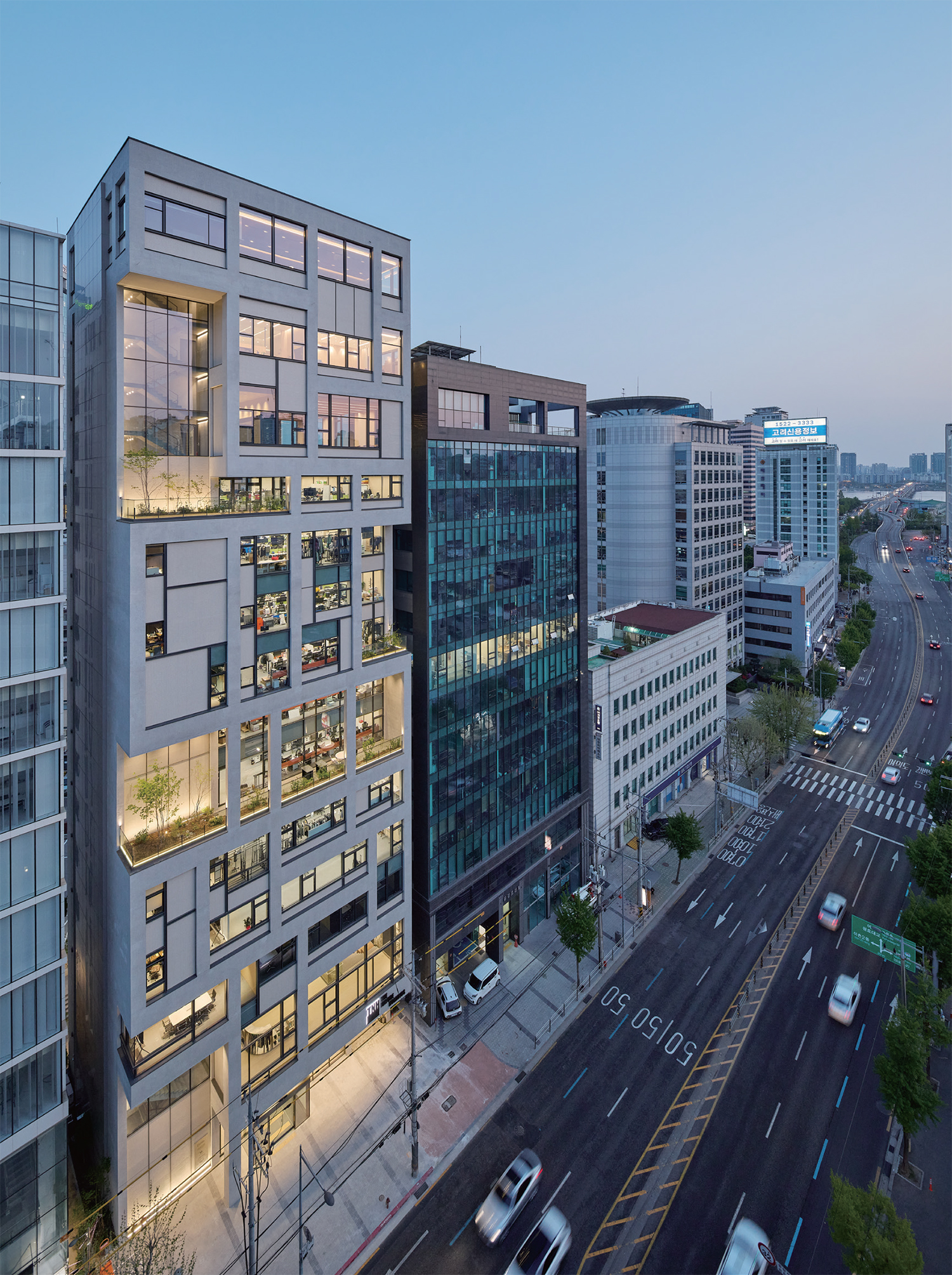
The Nature Holdings Office(2025) ©Roh Kyung
Choi: When I visited the Jung Clinic alongside the projects that are being introduced this time, I felt almost ashamed. When designing a structure, if it is RC, one usually simply determines the wall thickness, the shape and size of the columns, and their locations. When designing a composite structure, one might use RC for the lower storeys and steel for the upper storeys, or steel for the lower storeys and timber for the upper storeys. However, in the case of the Jung Clinic in particular, RC, inverted beams, and steel columns were mixed and used on the same floor. Why go to such lengths?
Kim: In the library space of the All Nations Church Education Center, you can also see steel columns standing like a colonnade. These columns are members of a framework used to transfer the structure, and the reason steel columns were used here is that if RC were used, the columns would become too thick, stifling the sense of space. That is also why a suspended steel frame was partially applied to the basement of the micro-cosmos Soyul, which is otherwise RC. In large spaces, structural members can be large, but there are some cases where smaller members are necessary. It is a matter of finding the appropriate scale of members to suit the sense of space of each area. Consequently, it is rare for me to design a project that is completed using only RC or steel frames, and instead, I adjust the size and form of each structure individually to suit the space. Steel is advantageous when a space needs to be open, while concrete is more suitable when a sculptural volume is needed.
Choi: It must be highly satisfying, but it’s actually an incredibly difficult task, right? It’s rare to see a single floor incorporating such a variety of structural systems, not only in Korea, but abroad as well, of which I can’t think of any architects who do this off the top of my head. Furthermore, this is only possible with a perfect understanding of the scale of the space. It’s as if one must use a 120mm steel column instead, when a 300mm concrete column can be used. I believe that the ability to combine and use diverse structural systems quite freely is a tremendous asset. What kind of collaborative relationship do you have with the structural engineering firm?
Kim: We convey our ideas regarding the structure and its proportions to the structural engineering firm in as much detail as possible. For example, we create architectural drawings and 3D models detailing the structural system, the size and shape of the structural members, and how they are arranged. The structural partners then review these, identifying areas requiring modification, and then we seek alternatives based on this feedback. Creative dialogue and communication take place throughout that process. Ideally, the architect should propose ideas regarding the structural system. This is because the structural system is determined at the same time as the outlines of the floor plans and sections take shape.
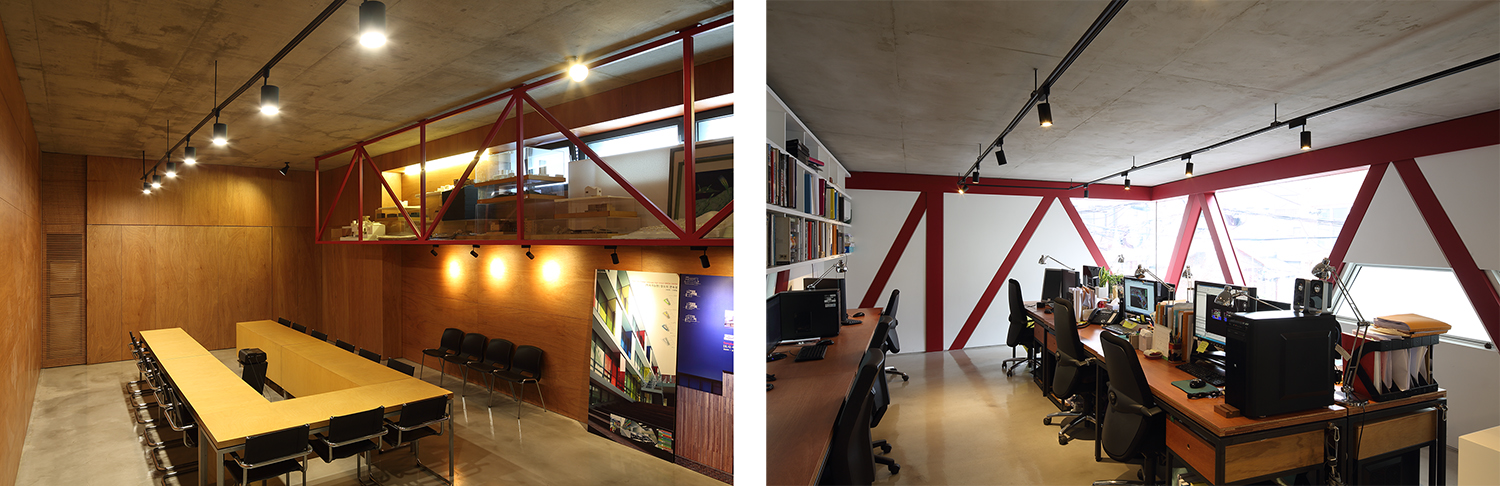
micro-cosmos Soyul(2014)
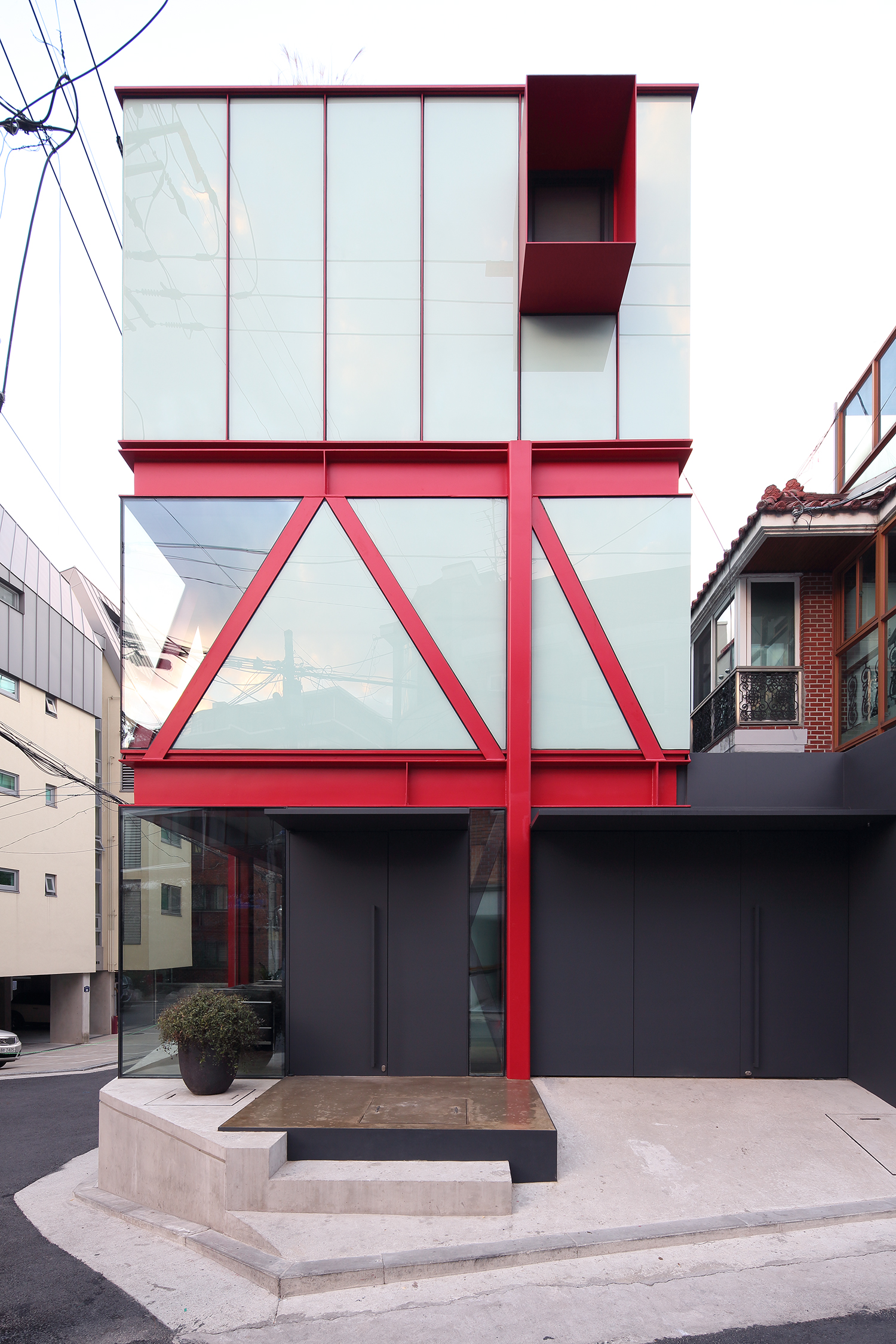
micro-cosmos Soyul(2014)
Between the Egoist and the Eutopian
Kim: To speak more in terms of the aesthetic dimension, our generation did not grow up in an environment where we could learn a particular philosophy or aesthetics as a unified system. When I entered college, the school privileged Le Corbusier’s Modernism; a little later, the focus shifted to Michael Grave’s Postmodernism; then when I went to the United States, Mark Wigley was holding an exhibition on Deconstructivist Architecture. Beyond that, there were many other architectural movements, such as High-Tech, Contextualism, Localism, Late-Modernism, Hypermodernism, and Dutch Modernism. During the first ten years of my architectural studies, I think I encountered at least ten different architectural theories or a kind of ‘-isms’. This atomised approach seemed to be present not only in the architectural world, but also in Korea’s urban environment. In the city of Seoul, I felt a sense of loss stemming from a lack of roots. However, as I became matured gradually, I came to believe that I could, on the contrary, find authenticity and the power of urbanism and architecture within this very reality. Should I call it an architecture of positivity?Consequently, I ended up studying Surrealism extensively. In the collages made by Surrealist artists, elements that conventionally ought not to coexist appear on a single screen, and I found myself resonating with these projects. In Seoul, too, a certain degree of fragmentation inevitably arises when practising architecture that responds to its surrounding context. This seems to be realised in the juxtaposition of structure, form, and materials. However, as an architect, I strive to impose some form of order on space and to organise its form. This is because what we must realise is not a surreal dream, but rather the spatial organisation of the individual and society so as to achieve architectural order. Nevertheless, as we respond to the unique landscape of our city, the standards imposed by regulations, and the demands inherent in each project, the aesthetics of fragmentation tend to be reinforced once again.Choi: I also wanted to ask about materials. Some architects express architecture in a minimal way by using a single material. For instance, Sejima Kazuyo insists on white materials, while Ando Tadao is devoted to concrete. Kim Seunghoy, however, is one of those architects who uses a wide variety of materials. Your spectrum ranges from travertine, which could be described as a material of bourgeoisie, to plywood, which is more of an everyday material. Is this a reflection of your thoughts on fragmentation, or a matter of personal preference?
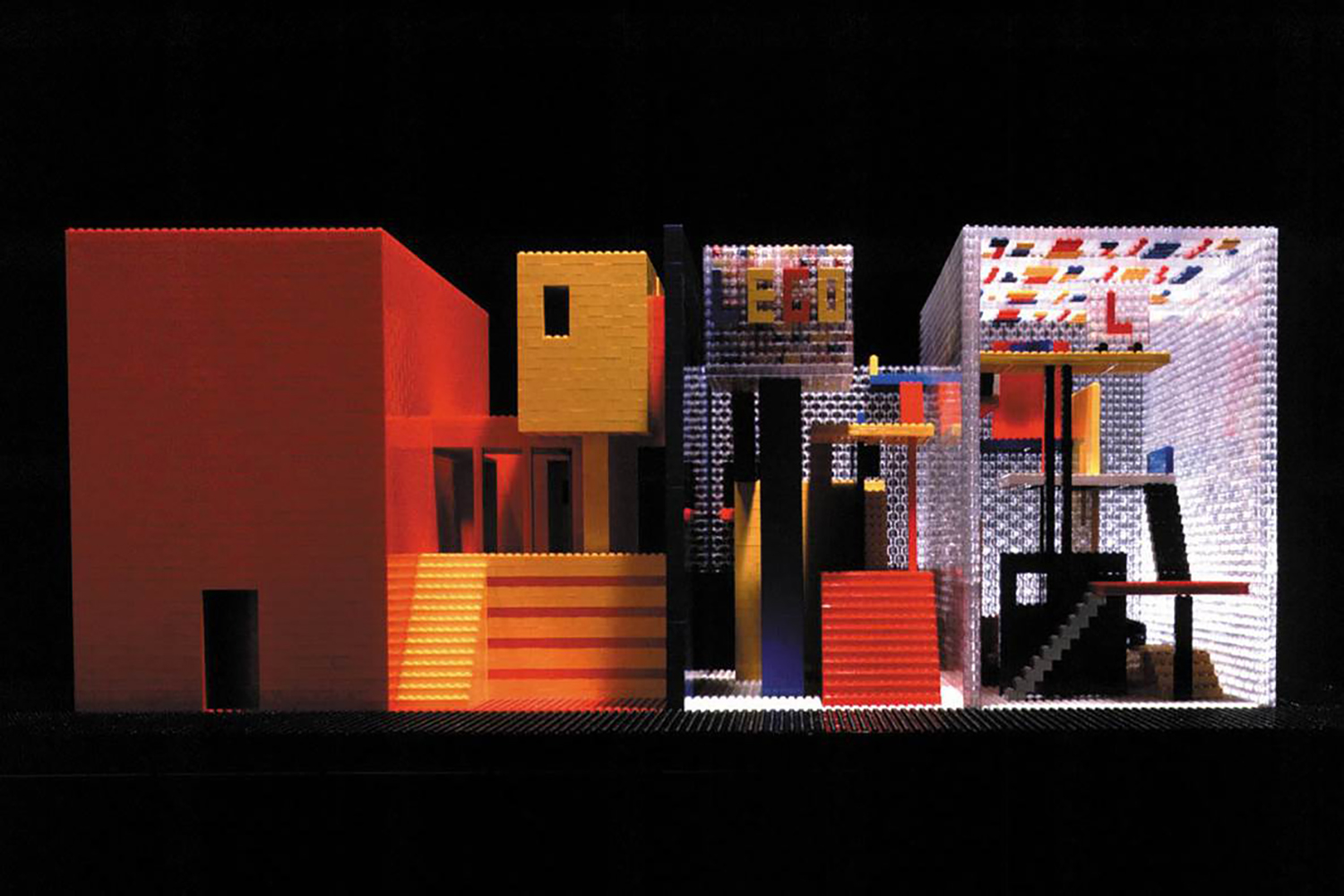
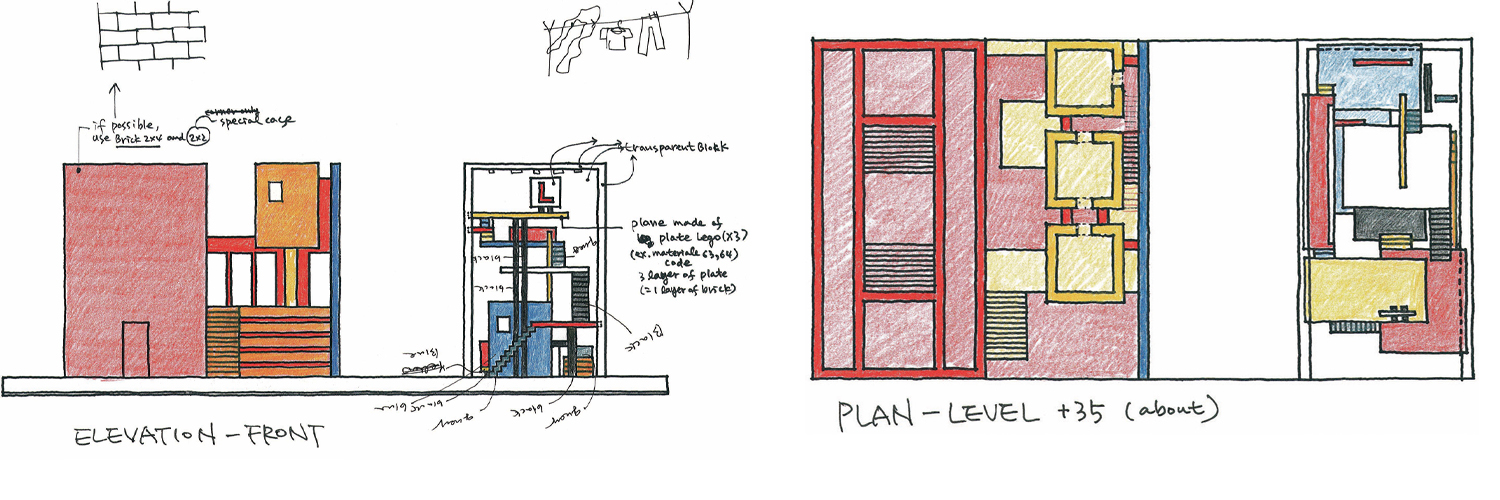
Kim: I think it is due to my thoughts on fragmentation. I would like to mention the Legoist House and Legopian House (2000) that I presented at an exhibition ‘Architects and Lego’ in Tokyo. It was a satirical piece in which I used Lego to build architecture that an egoist and a eutopian might design. The Legoist House is on the far left and the Legopian House is on the far right. In between, there is a house where these perspectives intermingle. Having studied the entire history of fragmentation, I could have chosen any language. However, following the minimal, egoist path like Ando seemed too complacent, while going the eutopian path felt as though I wasn’t the sort of revolutionary figure a constructivist might be. So, I chose the middle ground and regarded it as my destiny. I thought that choosing one of the two extremes would be the best path to success as an architect, but as that differed from the truth I felt in reality and from the truth of my humanity, I believed that my architecture would lie ‘in between’. To me, the authenticity of life is more important than aesthetic unity. I also like the line from Kim Mingi’s song In Between: ‘Between night and day, […] in between, where it veers this way and that way.’ (laugh)
Choi: In fact, while other architects also use a variety of materials, it is not easy to achieve a high level of completion through well-coordinated materials and detailing. Of your four projects addressed on this occasion, I’d almost want to visit the ZYX Technology Office on a field trip with my students. It’s an excellent example for learning about ‘how to make something’, such as the size and texture of materials, and how the ceiling and walls, as well as interior and exterior materials, interact. It sounds simple but it’s incredibly difficult, so what efforts do you make to achieve such a high level of completion?
Kim: Just as we tried a new approach to an aluminium façade detailing in the Seogwipo Samda Building and experimented with methods of forming surface layers at The Nature Holdings Office, we experiment with new materials and structures in every project. As we practised architecture in this way for 30 years, and have now completed over 150 projects, and through this experience, we have accumulated a wealth of directories regarding materials and structures. And if you look at the history of architecture, you will see many classical examples featuring fine details and construction methods. Furthermore, we do not spend much time on the schematic design phase. Once an idea has been conceived, we quickly sketch it out and then focus on refining and developing the details and structural systems. Our staff spend a lot of time on site doing construction supervision. But I still feel that it is insufficient and I want to explore further. Seeing the Steve Jobs Theater (2017) designed by Norman Foster, which is made entirely out of a glass structure, made me feel a bit envious for no good reason. I feel as though I could take on such a new project myself, but I don’t have an engineer like Arup by my side, nor do I have clients who request such new experiments. I want to work on more interesting and experimental projects.
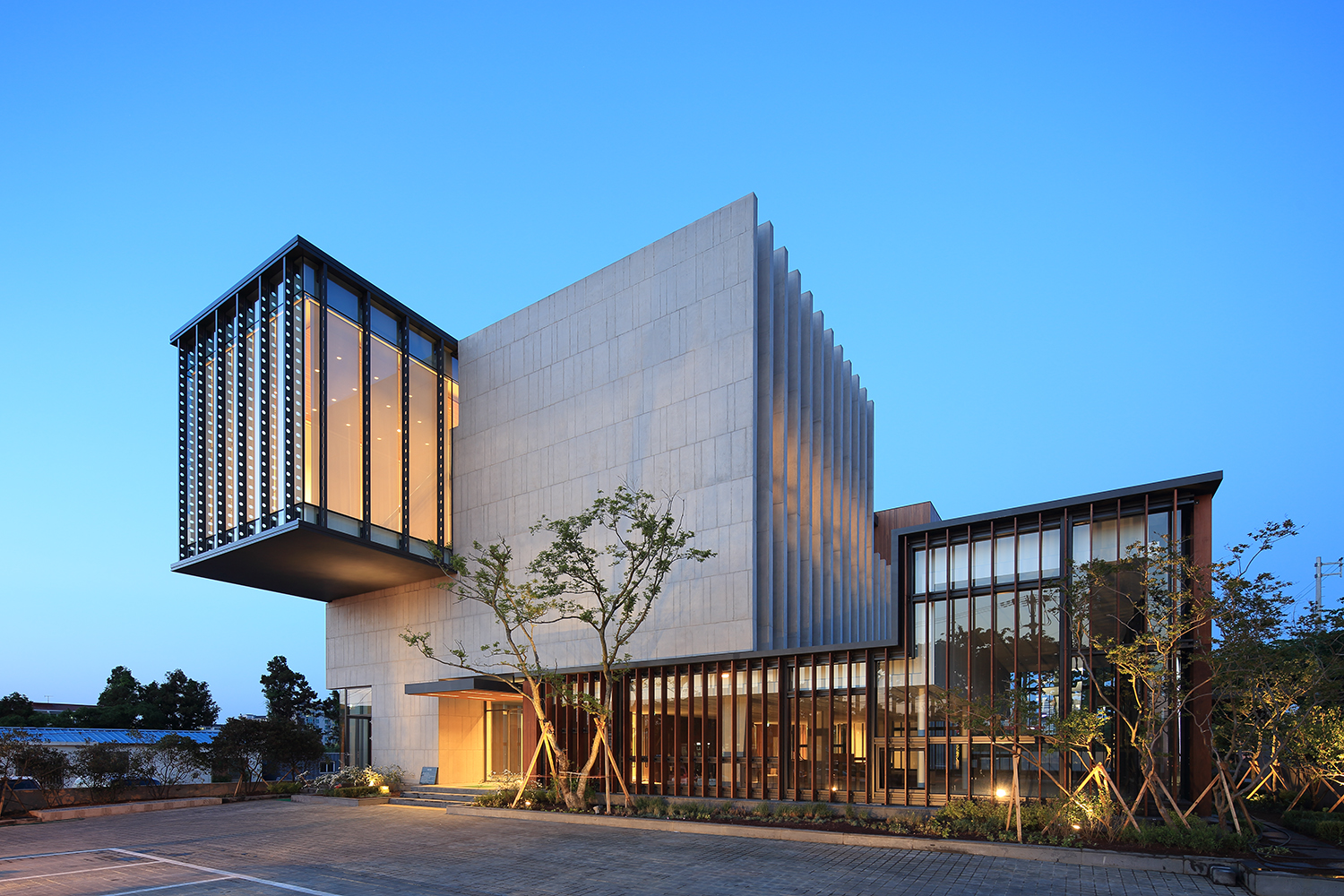
Jung Clinic(2014)
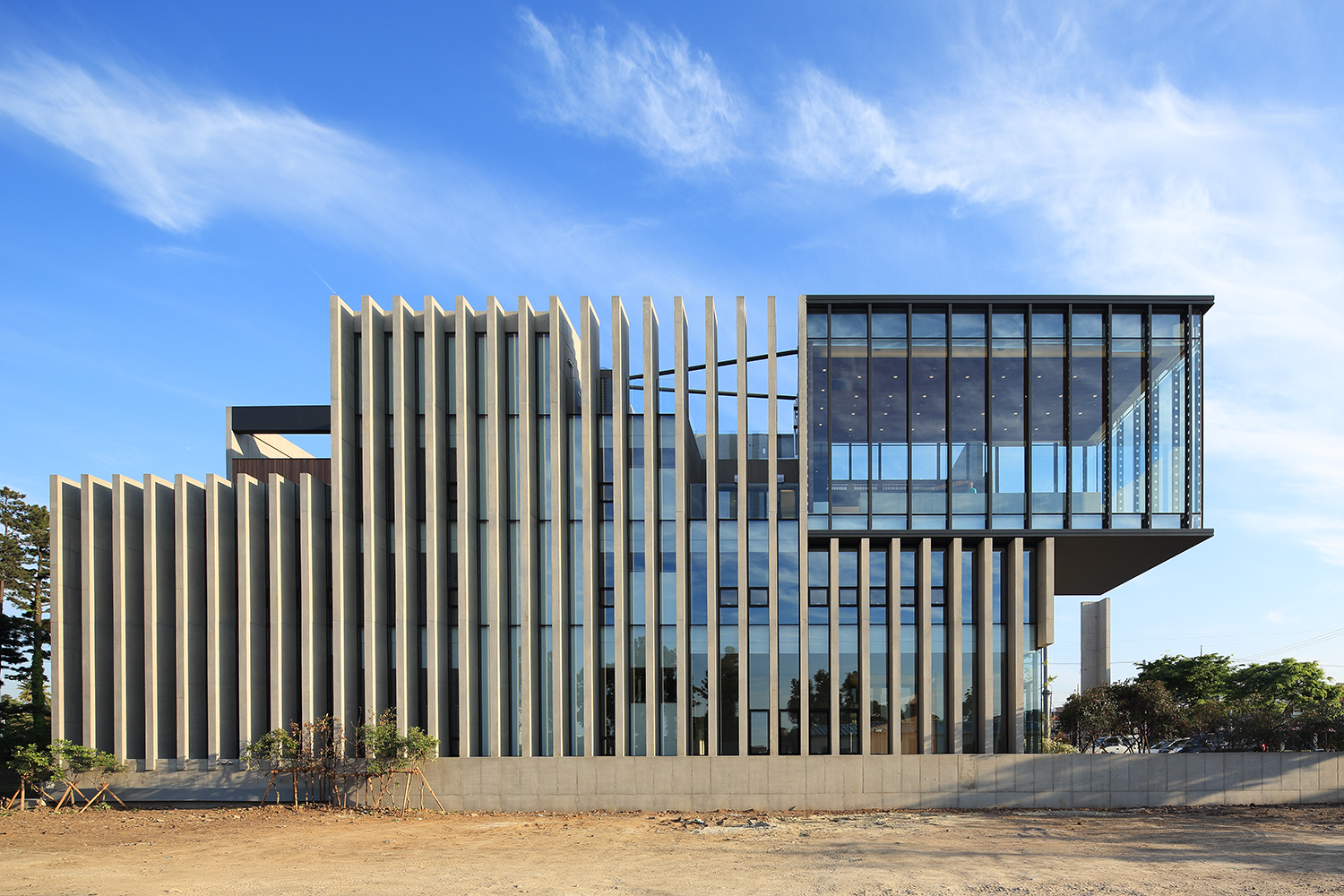
Jung Clinic(2014)
Choi: It seems inevitable that one must work within certain conditions. Meanwhile, looking at these recent works, I felt they were different from the Kim Seunghoy I had known. This reminded me of Edward Said’s book On Late Style: Music and Literature Against the Grain (2006), in which ‘late’ refers to the style of one’s latter years. The book explores how a creator’s artistic world changes as they move into their later years. While the easiest path for an artist is to repeat the assets they built up in their youth, Said focuses on the tendency to continually question one’s own work. Looking at Kim Seunghoy’s projects also, I found myself wondering why he was grappling with novelty when he already excels at what he does. In the case of the ZYX Technology Office, while it displays high level of completion due to its similarities with previous projects, other works gave off an air that was perhaps a little rough around the edges, or perhaps bold.
Kim: I used to be a cautious person, but it seems I’m gaining a little more courage as I get older. I divide my career as an architect into a training period, early, middle, and late phases, and according to this, I am currently in the early part of the late phase. However, I still have some unfinished tasks. One of these is humour. It is incredibly difficult to achieve good humour, and it can look awkward when attempted by someone who isn’t used to it. So, I suppose there are moments that feel awkward and others that succeed. I experimented with compositional playfulness on the elevations of The Nature Holdings Office and Seogwipo Samda Building, and when dealing with the protruding windows of the ZYX Technology Office, I wanted to create an interesting facial expression through the details. I guess I’ve become a little less cautious. However, I was confident that a more intriguing landscape would emerge.
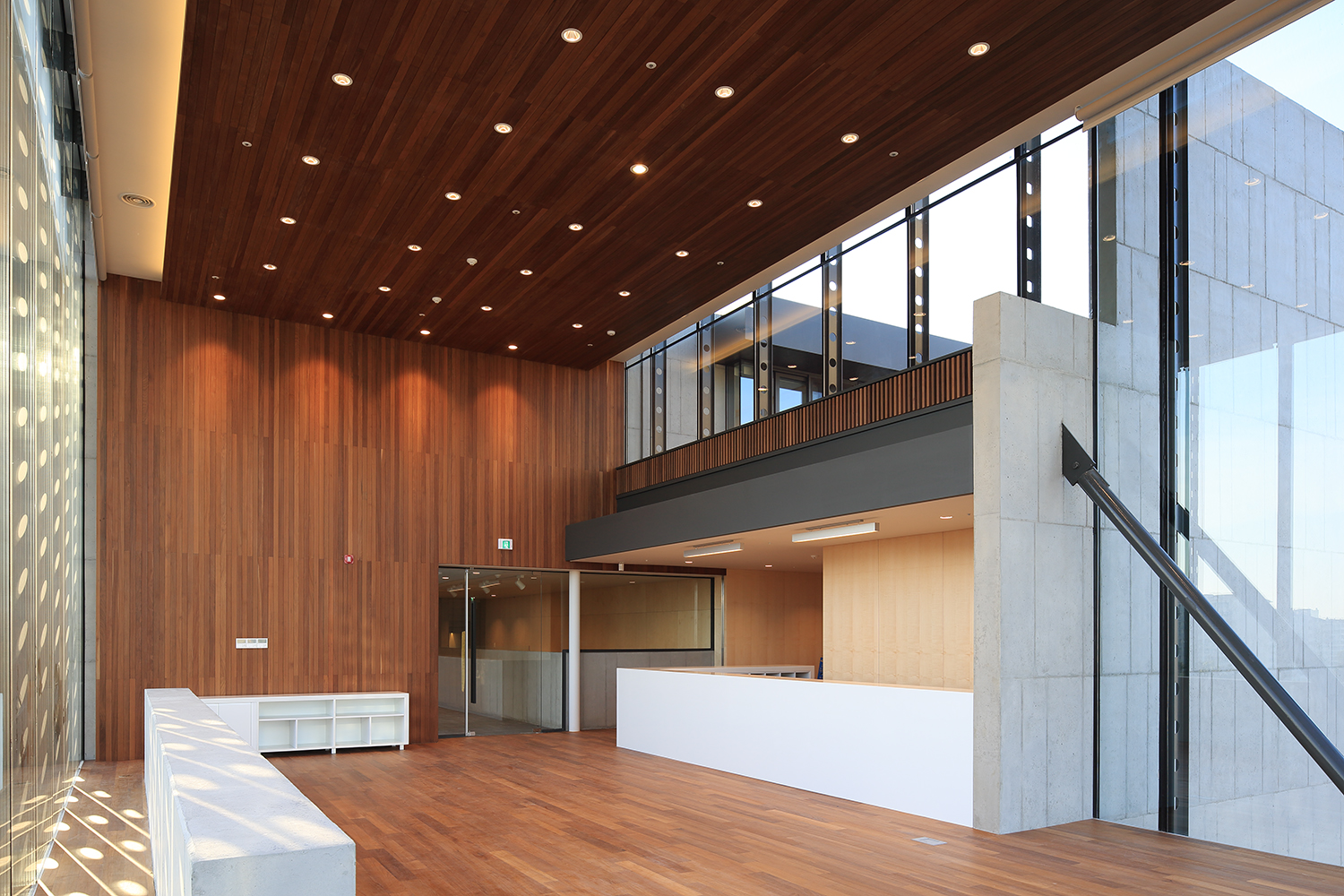
Jung Clinic(2014)
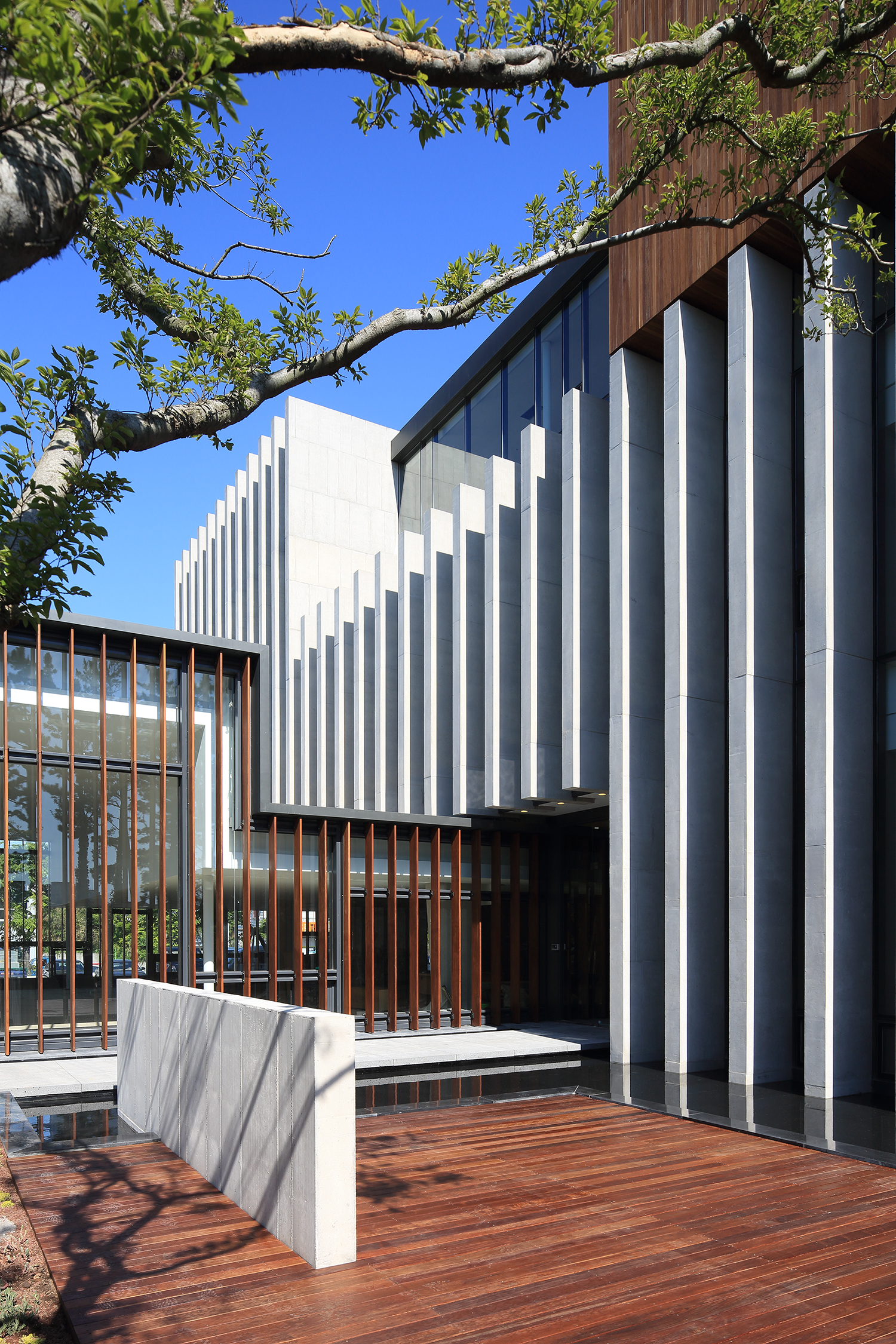
Jung Clinic(2014)
Classical Architecture as a Reference
Choi: Kim Seunghoy seemed to have changed the most over the past few years, and it will be difficult to predict where this change is heading. The important thing is that change is hard to grasp unless you constantly question where you stand at present, and meaningful change becomes possible when this sincerity is combined with that process. In particular, upon seeing the Sindori Workation Office, I even began to doubt whether it was actually designed by Kim Seunghoy. While the second floor features a plan that slightly subverted classical architecture, the plan was designed using classical methods, such as the 3 × 5 bay layout. I heard that you drew this sketch in Rome. What was the reason for constructing such a building in an era like ours, where the era of architecture as a postmodern’s sign has passed, and where European classical architecture is rarely used as a reference?
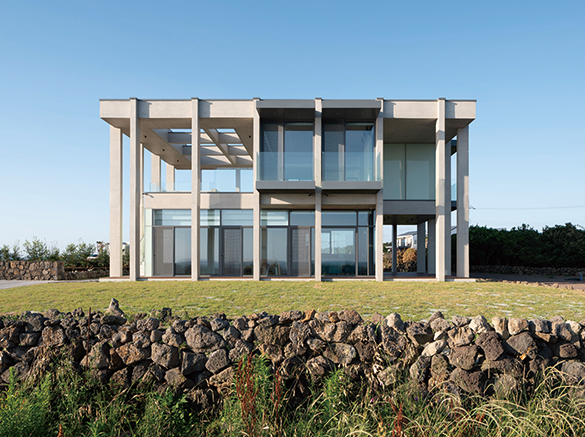
Kim: The city of Seogwipo, where the Sindori Workation Office is located, is a place defined by rugged nature with strong winds and the like, which rather inspired me to try building a classical structure. Furthermore, I was also travelling in Italy at the time of the design. With Palladio in mind, I wanted to newly interpret the spatial structure of a classical villa. However, the Sindori Workation Office is undoubtedly a contemporary building of the ‘here and now’. If such a thing exists as Kim Seunghoy-like architecture, then I believe this project is the most Kim Seunghoy-like architecture of the four projects published this time. This is evident in the clear structural order, the spatial composition where interior and exterior interpenetrate, the welcoming spaces formed by loggias and colonnades, and the contrast between combined materials such as glass, metal, and concrete. The only part that is less Kim Seunghoy-like would be where references to classical architecture are more clearly visible. With a classical 3 × 5 bay proportion, the structural framework is symmetrical, yet the spaces unfold asymmetrically. We did not consider a structure in which other spaces would wrap around a central hall, as in the Villa La Rotonda. As it was a small space totalling about 198m2 across the first and second floors, the focus was on treating the exterior space as the main space and designing the interior to look outwards. Furthermore, towards the end of the design process, I realised that the composition of the elevations was similar in principle to Palladio’s Logia del Capitaniato. This building has parts of the columns projecting into the space where the architrave should be, the interior of the lower storey is recessed behind the columns and the upper storey is filled to the very ends of the columns, with the balcony projecting beyond them. There are records indicating that Palladio studied Roman ruins, and I suspect he may have been inspired by the Arch of Constantine the Great, which was built in the late Roman period. Given that this approach emerged in both the Roman period and the late Renaissance, it could be described as the ‘late style’, noted by Choi Moongyu. On top of this, as the Sindori Workation Office offers excellent views from the side, we sought to open up the corners. While it is structurally difficult to open corners in classical architecture, contemporary architecture makes this much easier from a technical perspective. Among Palladio’s buildings, there are examples where the order of the elevations is altered only at the corners or where large columns are omitted from the corners and replaced with sculptural elements, disrupting the structural meaning.
Choi: While Postmodernism superficially appropriated historical styles or popular culture to communicate with the public, I would like to see this building as an outcome of the research into the logic of structure and form. Even Palladio positioned columns in a way that considered the visibility of force transmission at the points where storeys are divided, right? Listening to Kim Seunghoy’s explanation, I got to thinking that we tend to be reluctant to use Western architecture as a reference.
Kim: I appreciate both Korean and Western classical architecture, but when Western classical architecture is used as a reference, I believe it stems from an urban context. Traditional Korean architecture, such as palaces and folk houses, does not sit within an urban context, making it difficult to find questions regarding how architecture should engage with the surrounding city. However, Western classical architecture demonstrates relatively well how architecture has evolved within the city. I believe that the Basilica Palladiana also exemplifies the quintessential urban building. As it is situated in a plaza, the lower storeys must be welcoming, consequently they must be recessed, and a terrace is required since one must view the plaza from within the building.
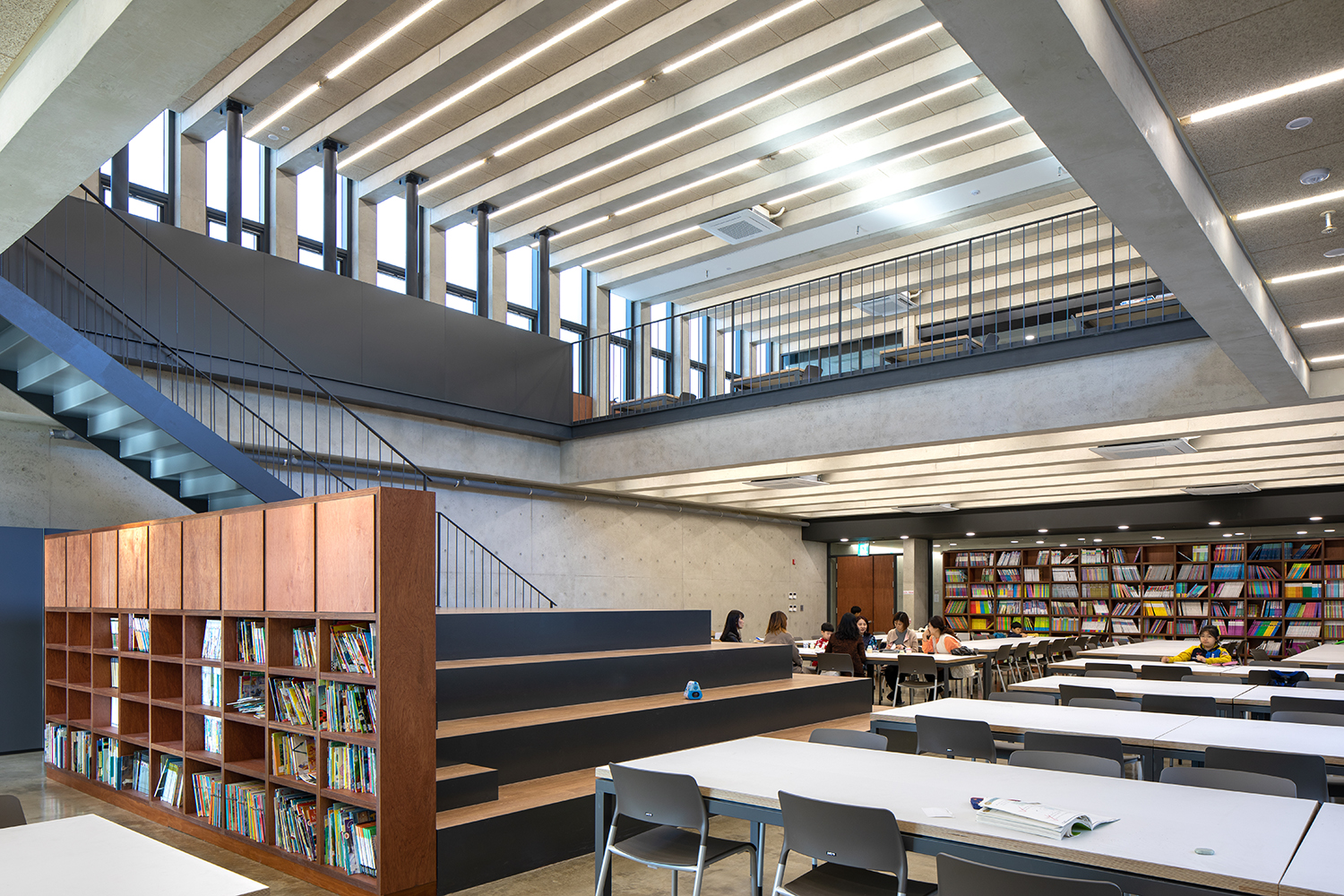
All Nations Church Education Center(2019)
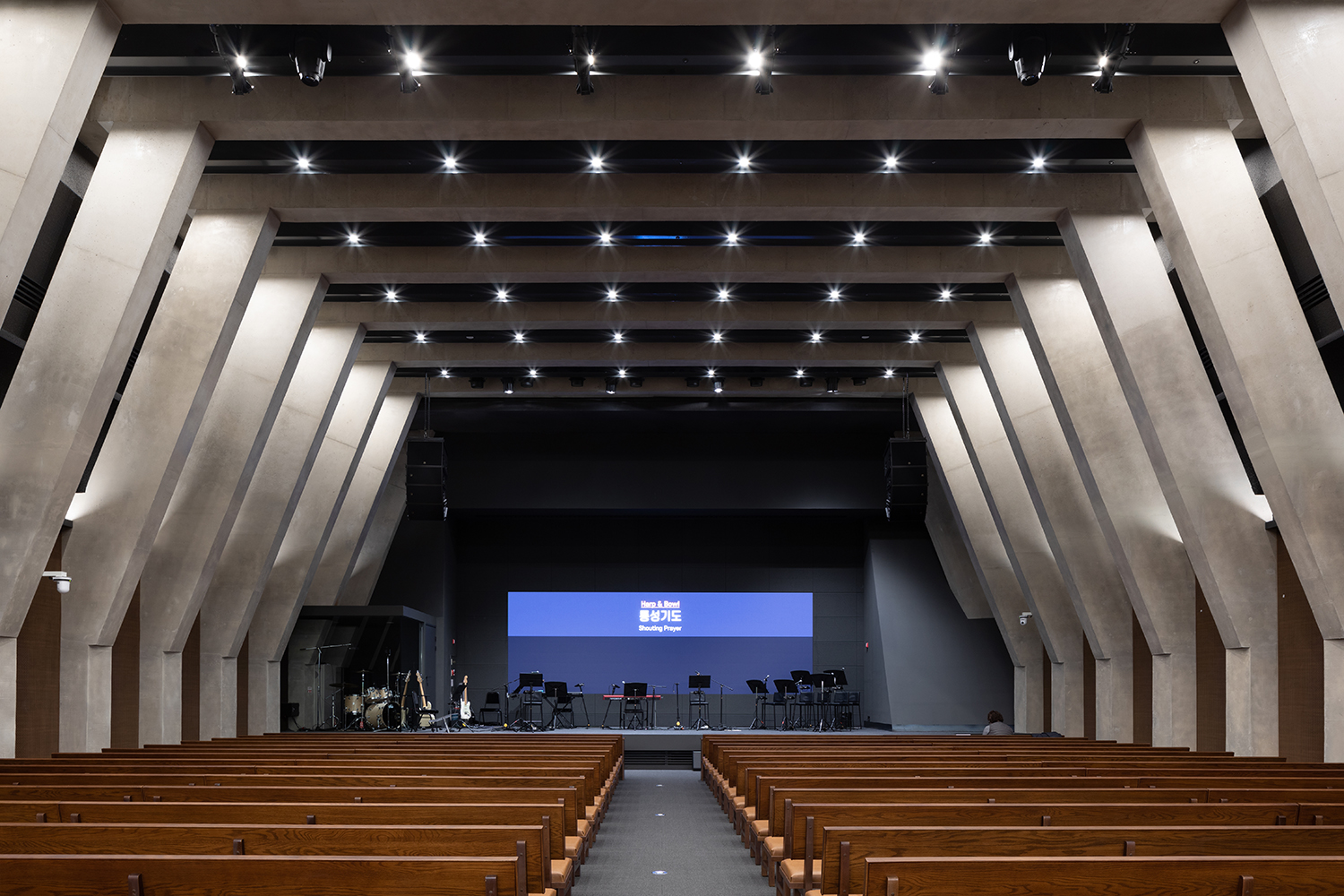
All Nations Church Education Center(2019)
Choi: Studying historical references, one by one in such minute detail as Kim Seunghoy does, is a very unique case. As we are both educators, I believe we should examine this method. When we teach students, we diligently teach them about Mies van der Rohe, but we do not teach them about his roots. Furthermore, Korean traditional architecture mostly exists only as knowledge, and it’s not connected to or manifested in today’s buildings. Although you left the school recently, having served as an educator for a long time, you must have had your own thoughts on architectural education.
Kim: When a novelist was once asked at one point when he felt like writing a novel, he replied ‘I feel like writing when I’ve read a good novel.’ I was like this as well, because when I first entered the architecture department and learnt drafting, I found it so tedious that I considered giving up. I had even obtained my parents’ permission to do so, but after seeing a hanok (Korean traditional house) in Jeolla-do, I realised just how beautiful architecture truly is and returned to the field of architecture. I believe that if one sees good architecture and learns to appreciate it, one will naturally create good architecture oneself, but I think it requires the efforts of educators to cultivate that perspective. I have a fondness for objects that have evolved over a long period of time, such as hahoetal and hanbok (Korean traditional mask and cloth). No matter how hard designers try to create something beautiful, we cannot leapfrog over hanok or classical architecture that has evolved over hundreds of years. If I were given the opportunity, I would like to try out a project that is even more classical yet more fragmented. As I grow older, I find myself looking more to classical architecture while simultaneously becoming more responsive to the fragmented state of our cities. The gap between these two extremes is widening, making the task of establishing architectural order in this context increasingly challenging. If our lives are inherently absurd, then the architect’s role is to construct that paradox through space, structure, and materials.
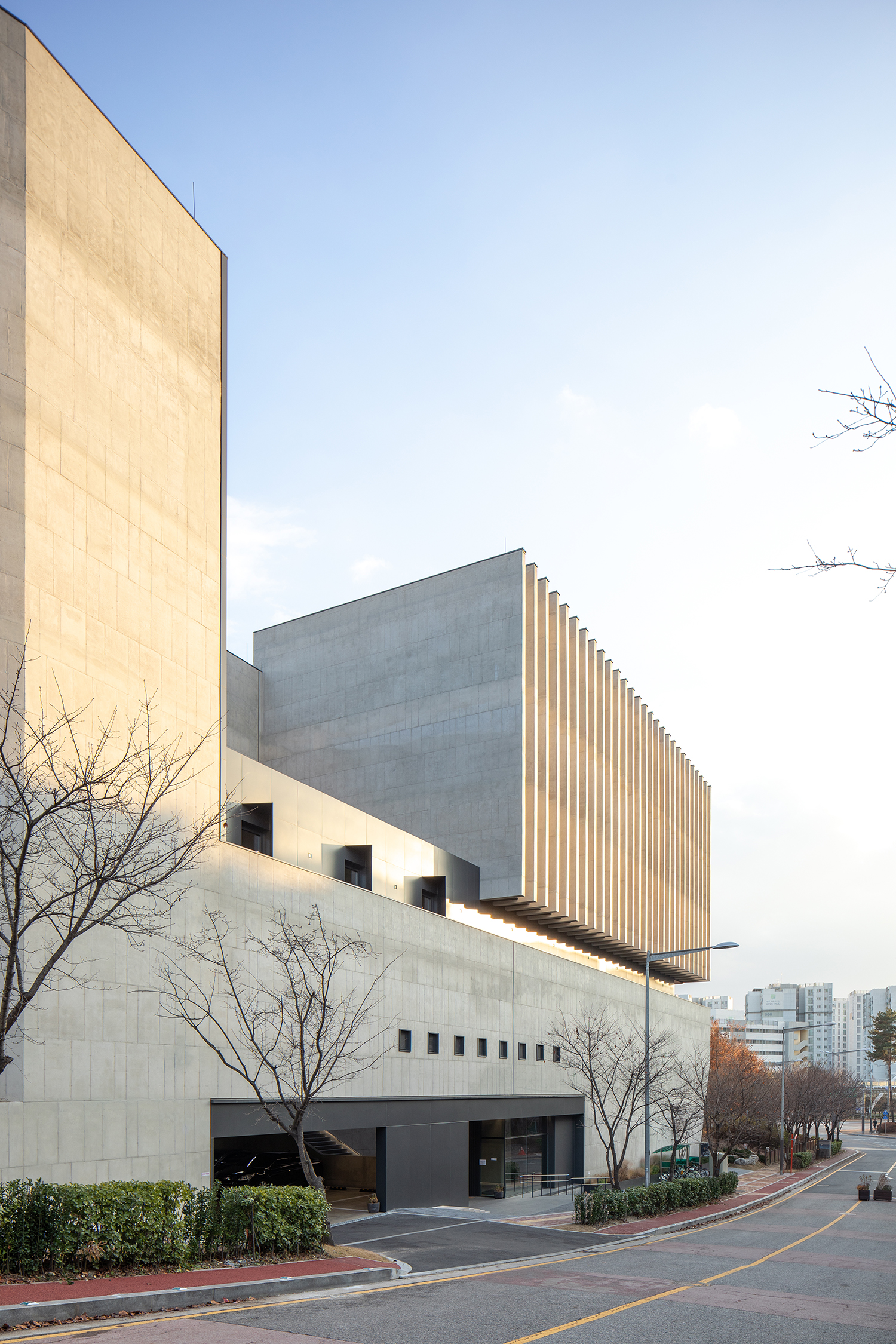
All Nations Church Education Center(2019)
Heroic Stride and the Ability to Relish Experience
Choi: Kim Seunghoy has recently explored the sense that the work an architect has meaning only becomes possible once something has been created. While Kim Seunghoy produces meaningful design results, many architects find it difficult to produce such results. As an architect and an educator, what do you think Korean architecture needs today?Kim: I think we need the strength to push forward. When my mother was unwell and hospitalised, the physician in charge told me, ‘A doctor is someone who suffers in the patient’s stead.’ If someone were to ask me what an architect does, I would answer, ‘Someone who bears the heavy burden of their place’. A building is an incredibly heavy undertaking involving vast sums of money and countless people. Recently, social burdens have been added to this, particularly with regard to eco-friendliness and accessibility regulations. Yet organisations such as the Korean Institute of Architects (KIA) or the Korea Association of Registered Architects (KARA) do not actively resolve these issues on an architect’s behalf. Compared to when made my debut in the architectural world with the Ilsan Residence (1995), architects today have to design in conditions that are twice or three times more challenging. When things are this arduous, there is no other way but to simply push forward. Achilles himself go to the Trojan War even though he knew he would die, right? That may be the beginning of a tragedy, but it can also be said as a heroic stride. As long as I exist as an architect, I must take on the burden placed upon me and move forward. It is a stride with which every single architect is equipped. At times, I also feel so overwhelmed that I want to give it all up and run away somewhere! Yet, one day not so long ago, my child echoed my own words back to me, saying ‘In times like that, think of the small joys, like drinking a delicious cup of coffee.’ In fact, there is much to enjoy as an architect. We have the ability to appreciate space, to experience beauty when we look at buildings, and the ability to relish the fascinating aspects of a city. We possess the power to enjoy—an ability to relish.