SPACE February 2026 (No. 699)
Communicative Housing, a Community of Differences
In a reality where apartments have become commodities to be ‘bought’ rather than places to ‘live’, large-scale housing complexes have homogenised the urban environment. A system fixed by unit-centred valuations, replicated buildings, and rigid regulations has turned the city into a collection of isolated islands. The apartment as a mode of dwelling must now move beyond habitual demand to re-evaluate the original meaning of collective housing. As an urban alternative, Unsangdong Architects, together with Yo2 Architects (Principal, Kim Youngjoon), seeks to propose a realistic yet brand new model for collective housing.* Our objective was to create community-orientated housing capable of reflecting both the locality and the existing urban structure.
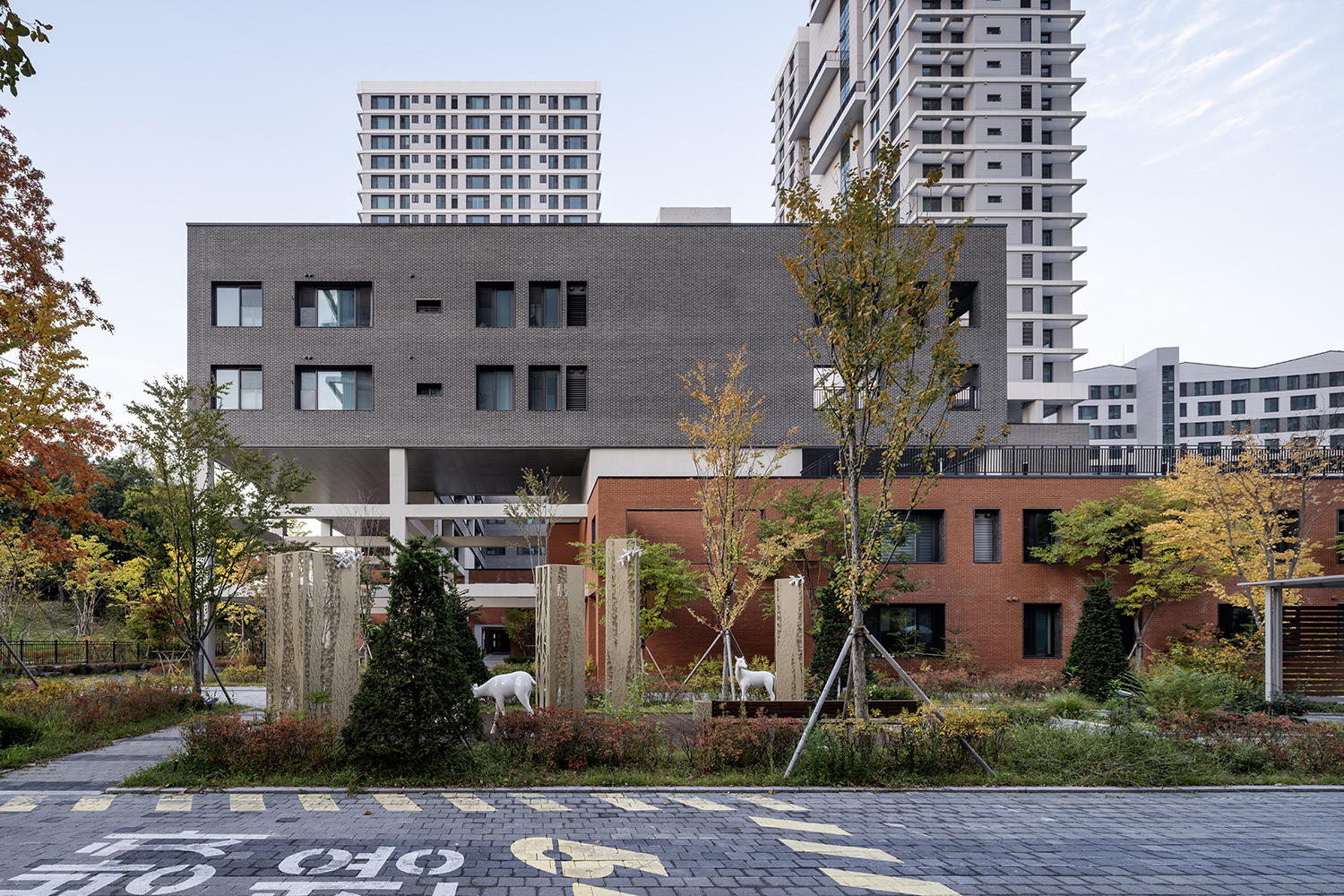
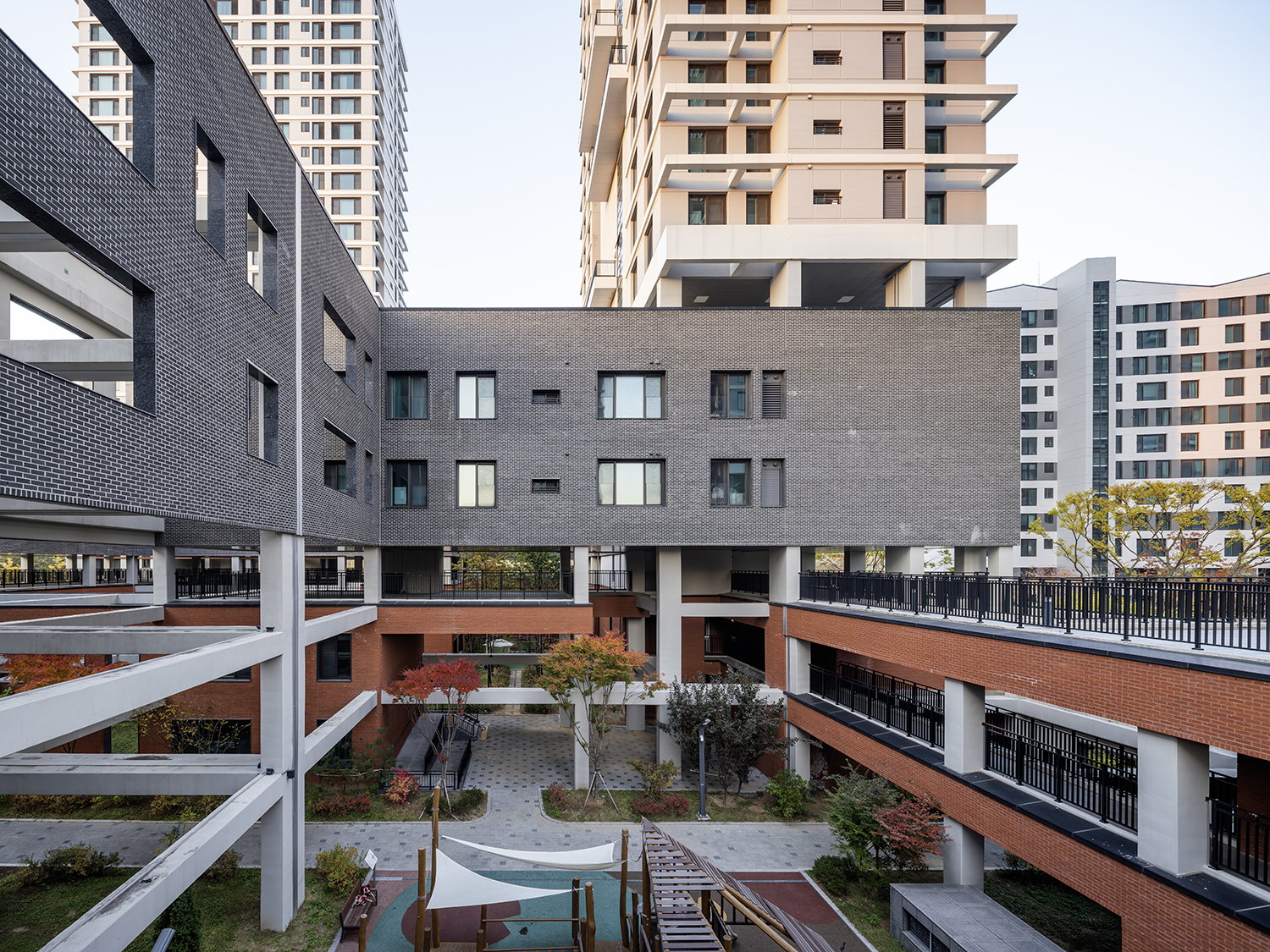
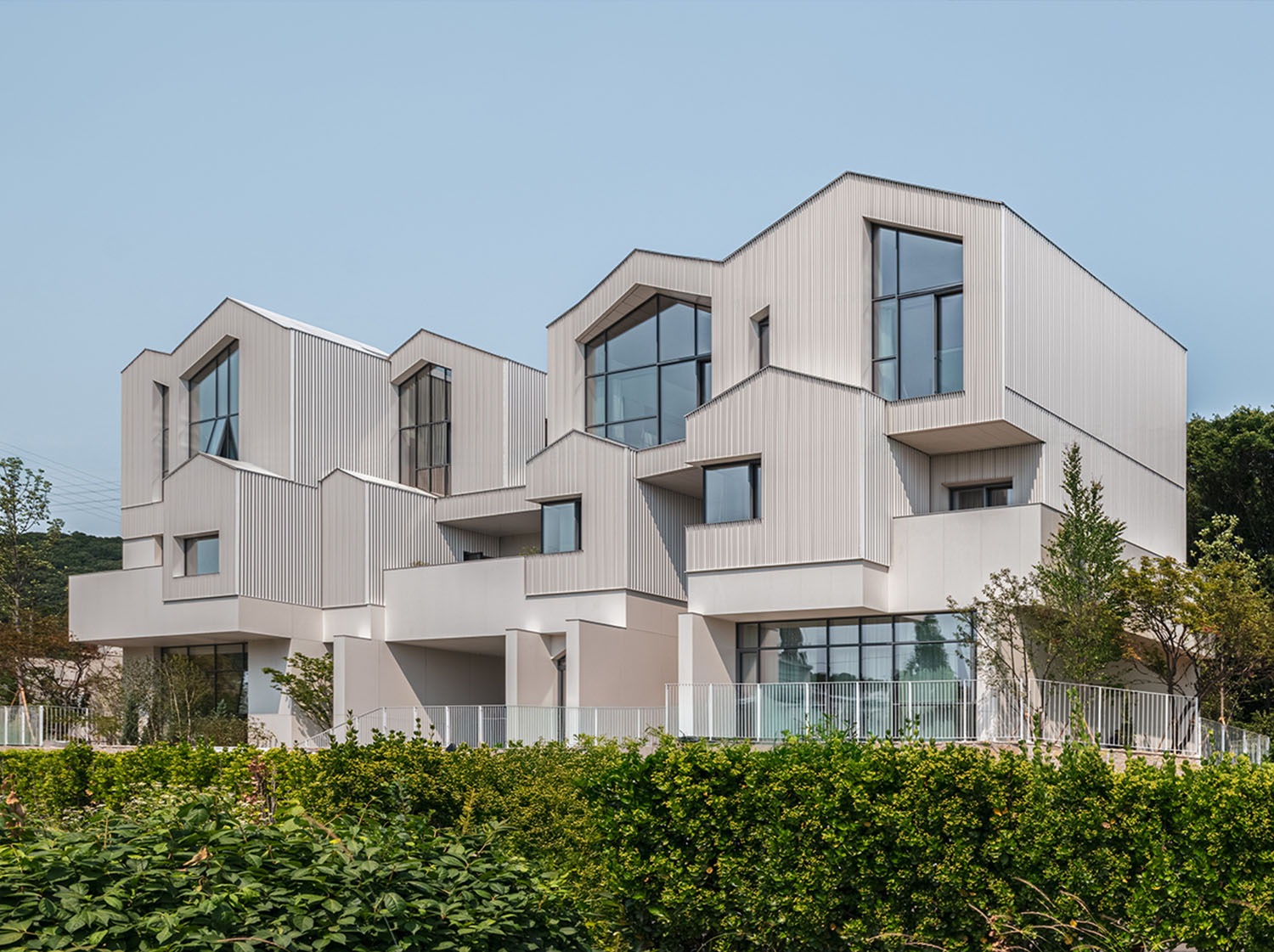
View of Building 104 (Spiral type).
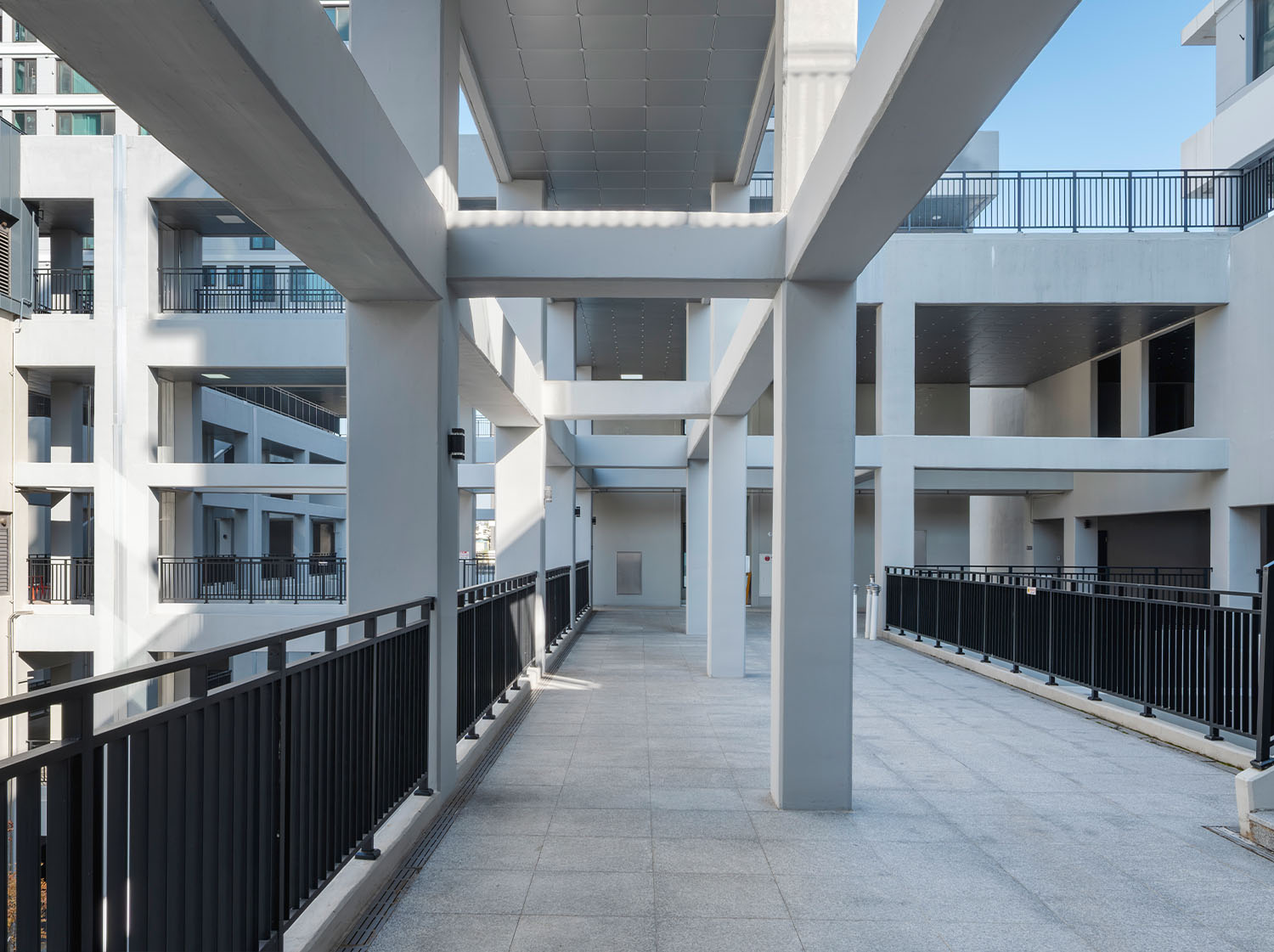
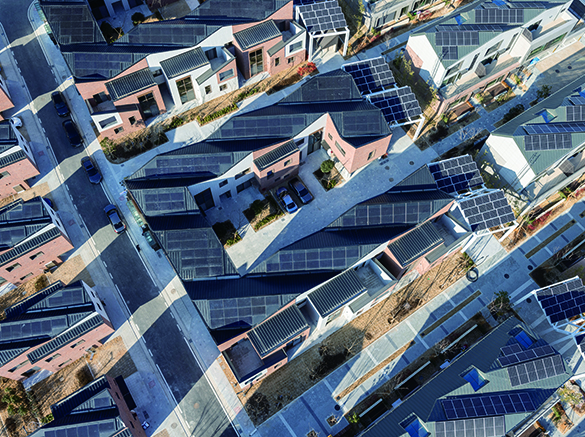
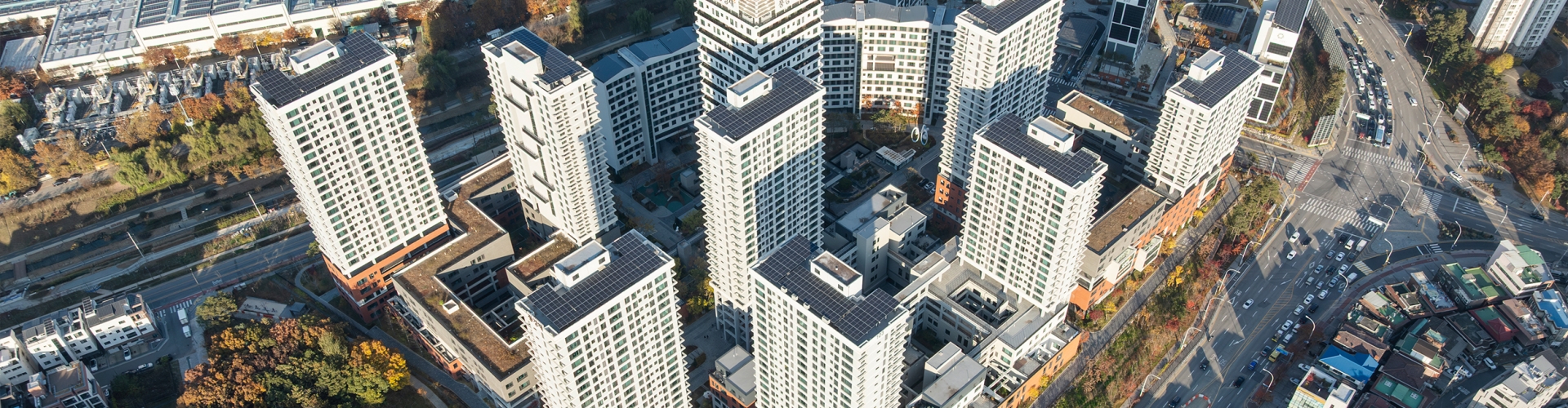
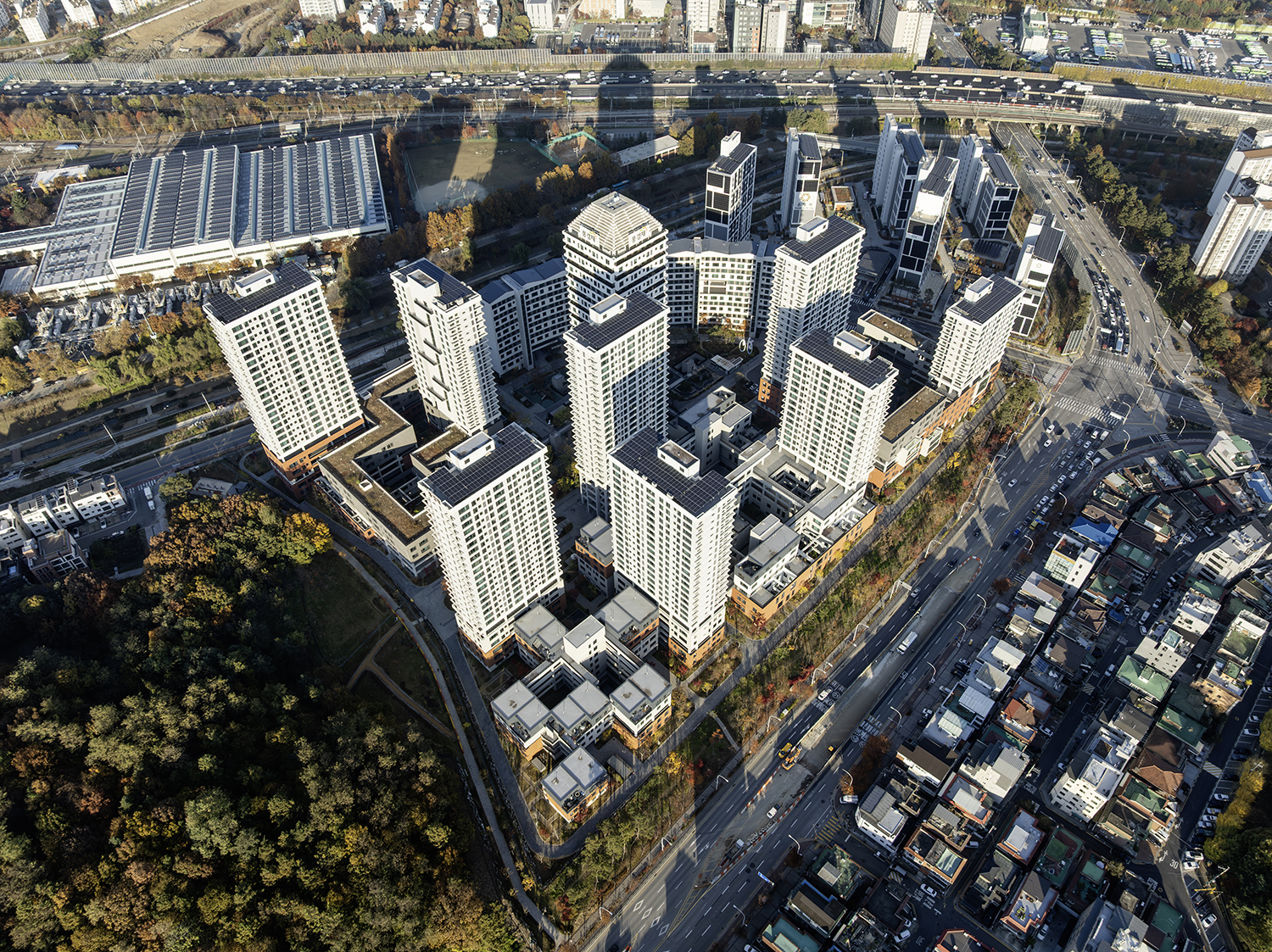
Eschewing the scale of a closed mega-complex, the lower levels are divided into the five low-rise villages – formed by dividing the site into five blocks – tailored to their surroundings, each featuring specialised residential units and exterior spaces. These five distinct villages are interconnected on the third and fourth floors via bridges, forming a ‘community of difference’. Human-scale shared spaces – such as community streets, rooftop gardens, and community facilities and open spaces located on the third and fifth floors – are systematically arranged between villages and houses to encourage communal activities and bind the entire complex into an organic system. The internal paths and shared facilities naturally integrate with the surroundings, bridging the gap between the development and the city.
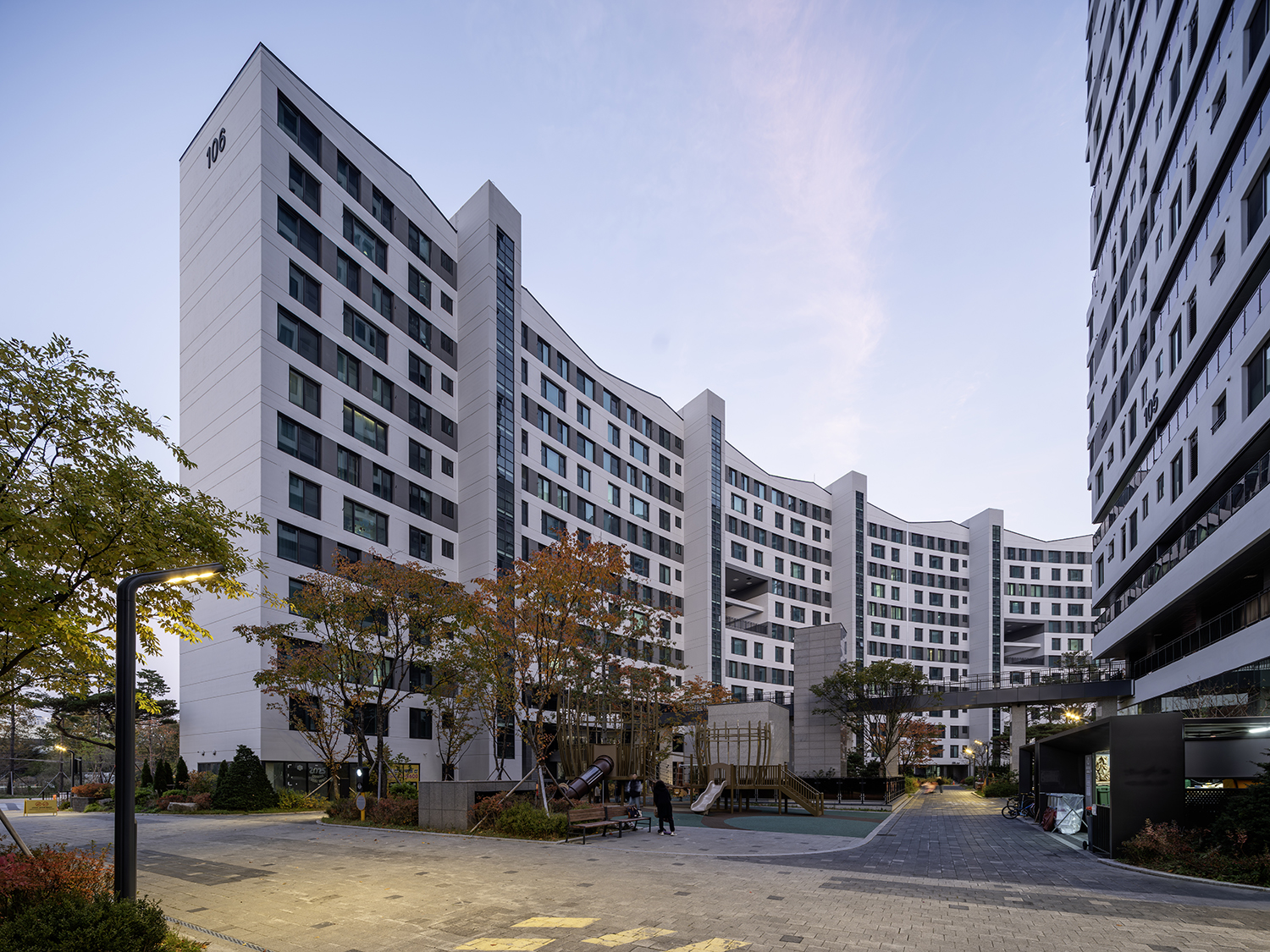
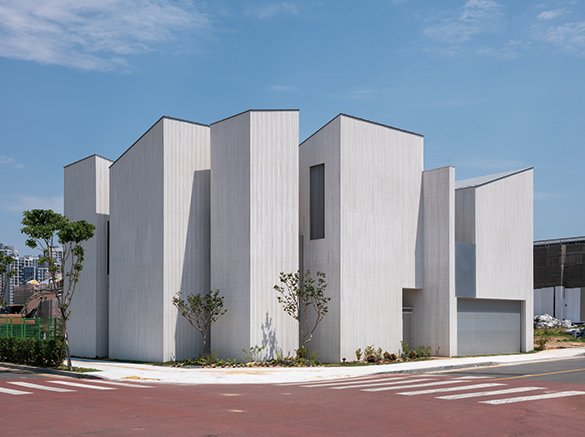
View of Building 106 (Wall type); Yo2 Architects led the design.
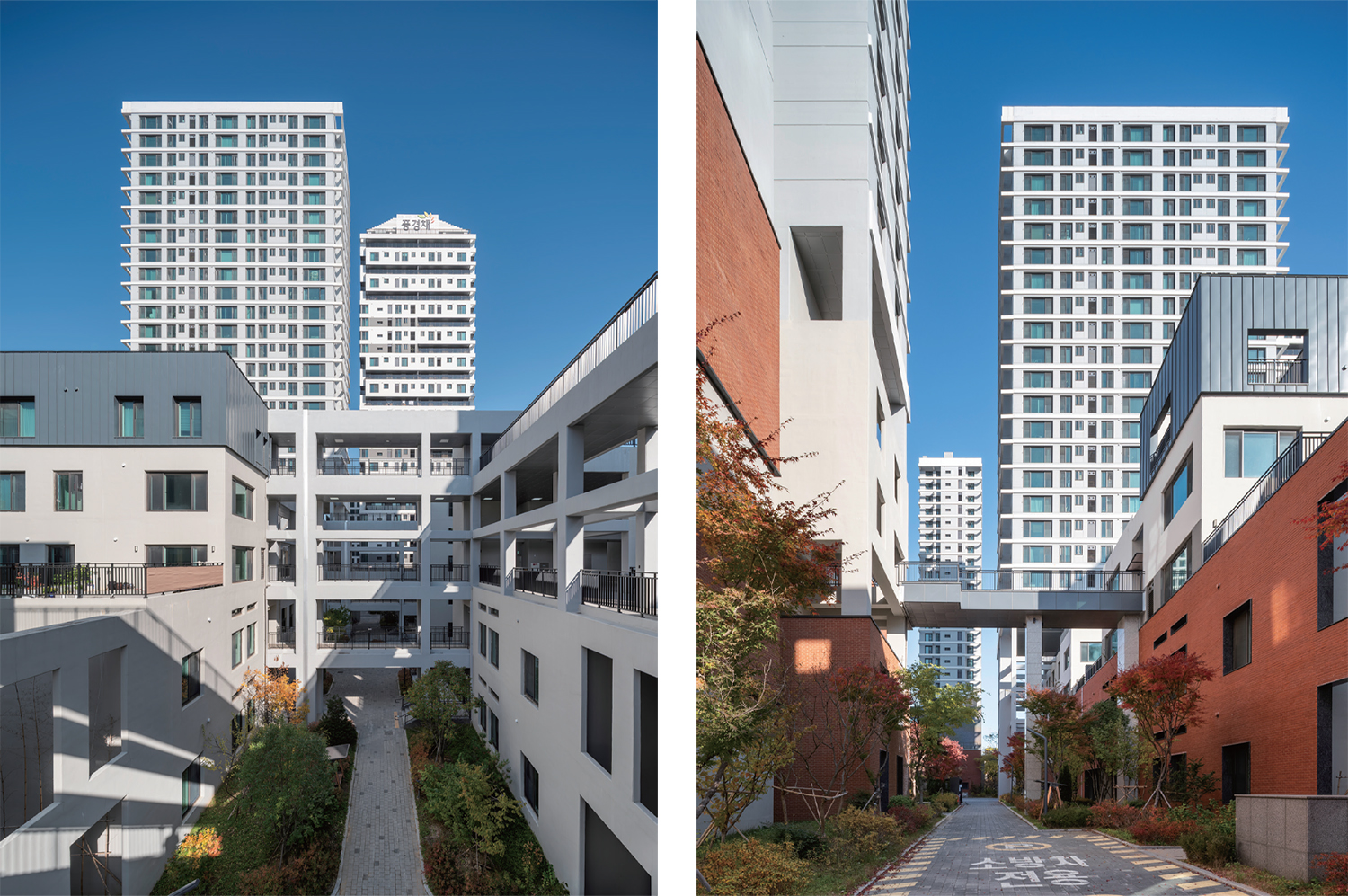
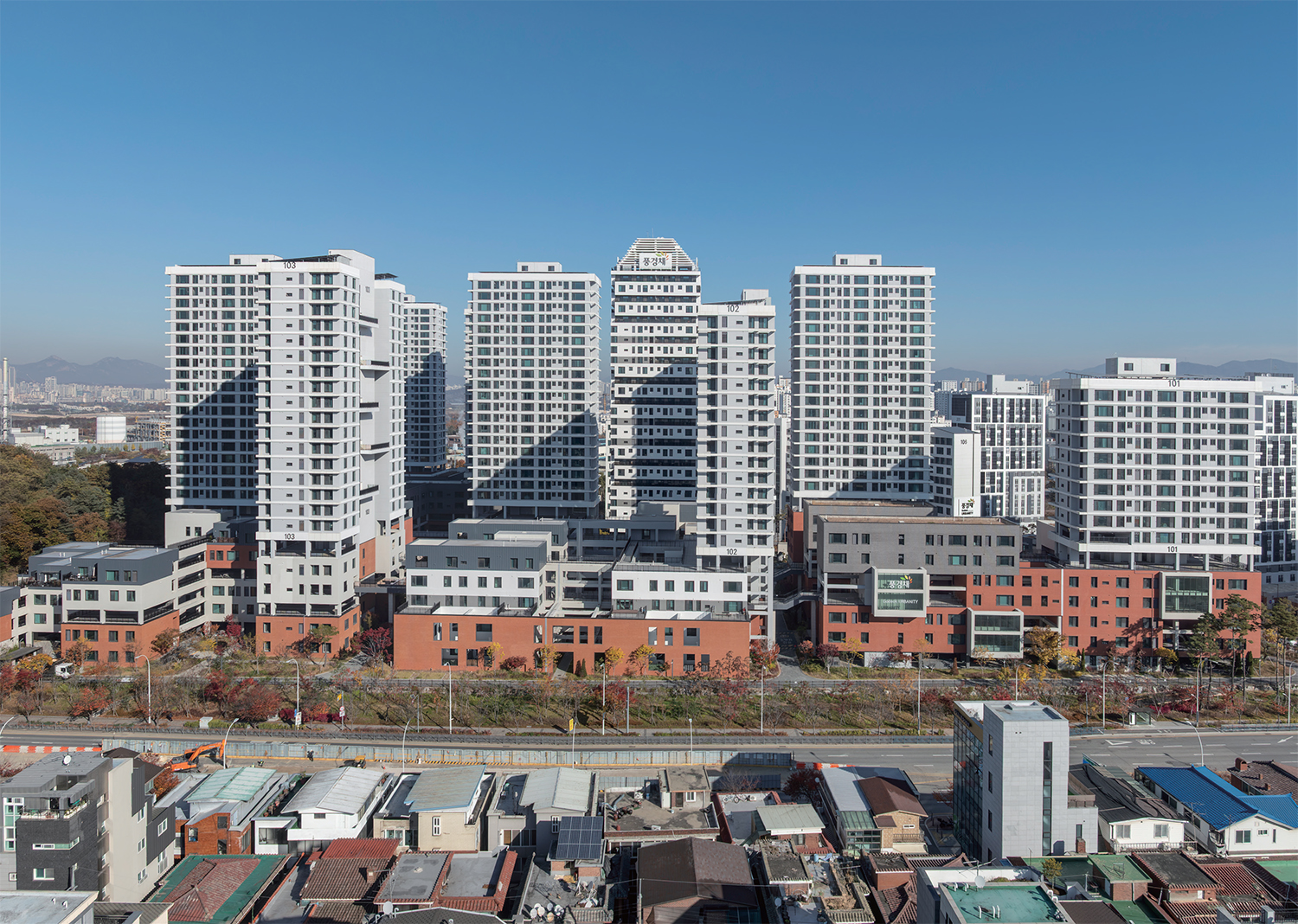
(left) View of Building 102 (Mat type); Yo2 Architects led the design. (right) View of Building 103 (Hill type, left), Building 102 (Mat type, right).
The low-rise and high-rise components were planned in a 3:7 ratio. In the low-rise portion, we experimented with collective housing typologies that possess the characteristics of urban detached houses – incorporating high ceilings, lofts, and duplexes – while coexisting with the high-rise towers.
Comprising four storeys, the low-rise section consists of five residential types based on the theme of each village. The Lattice type (Building 101) is located on the southeast side with high local access, creating interstitial spaces through staggered masses. The Mat type (Building 102) organically arranges L-shaped units at the centre to balance private and shared spaces. The Hill type (Building 103) maximises park views and strengthens the detached-house qualities through terraces and a combination of single and duplex units. The Spiral type (Building 104) enhances connections with the exterior through diverse orientations for primary lighting and a three-dimensional arrangement between the park and the main entrance. The Wall type (Building 106), the longest linear village, secures panoramic views towards both the city and the interior. In the high-rise section, consisting of towers up to 29 storeys high, sculptural variations and a balanced arrangement of height and density create a harmonious skyline while coordinating connectivity with the lower levels.
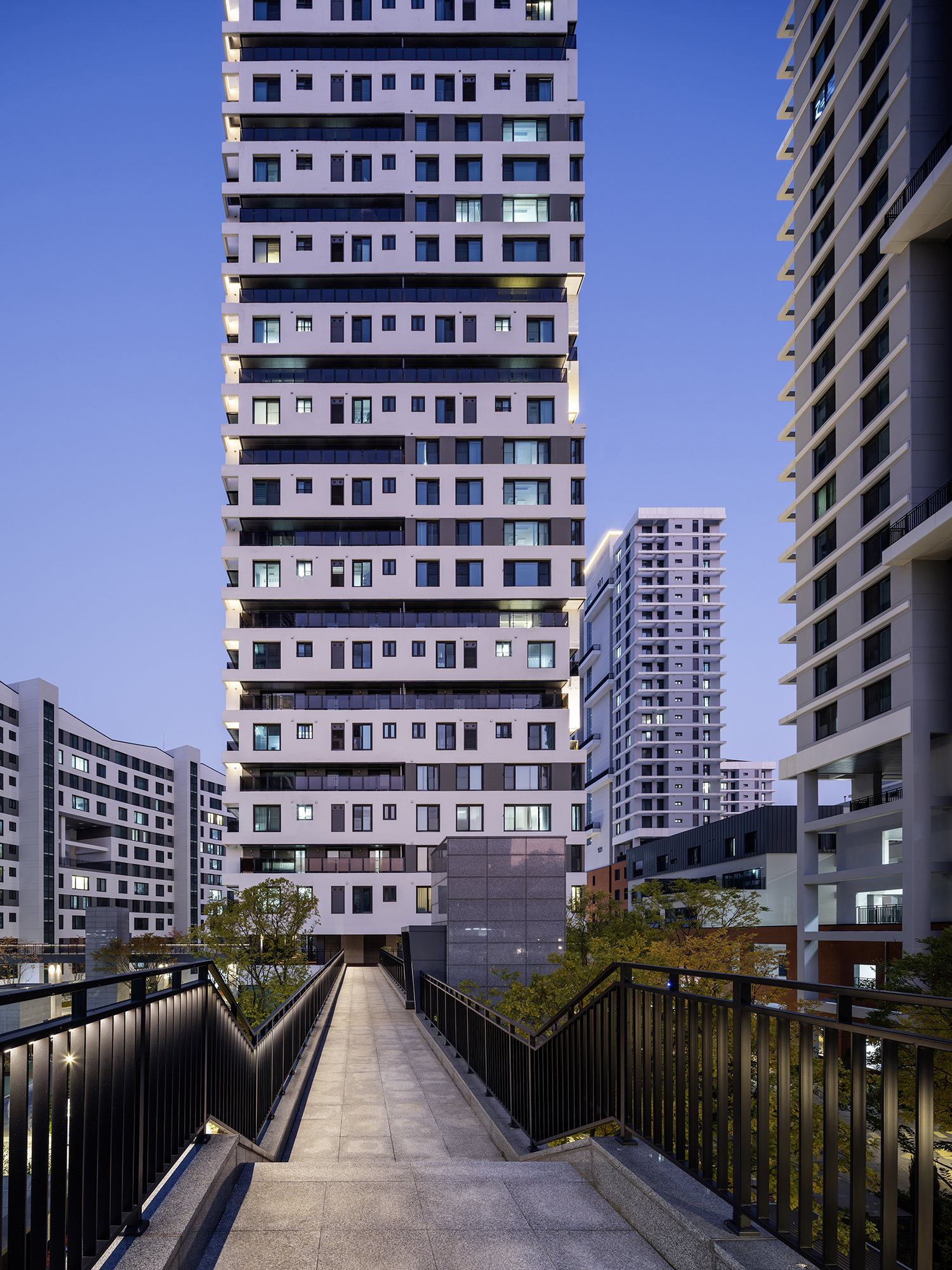
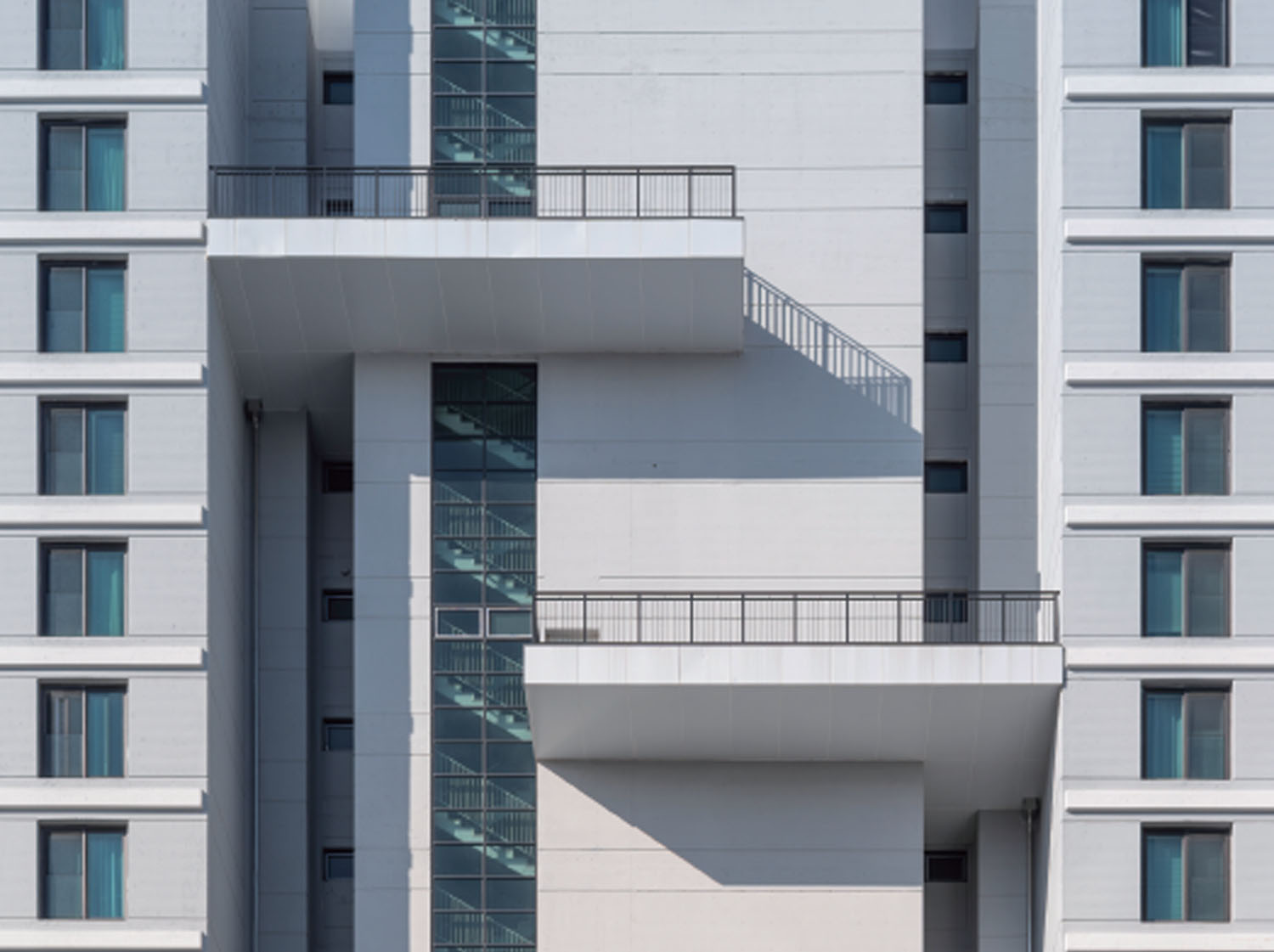
Centred in the foreground is Building 105 (Tower type); Yo2 Architects led the design.
_
* The design process was based on the principle of collaboration; Unsangdong Architects led the design of Buildings 101, 103, and 104, while Yo2 Architects led the design of Buildings 102, 105, and 106.
Unsangdong Architects (Jang Yoongyoo, Shin Changho
Unsangdong Architects – Oh Taekjun, Choi San
375, Arisu-ro, Gangdong-gu, Seoul, Korea
apartment houses, ancillary welfare facilities
48,434㎡
14,512.97㎡
183,824.12㎡
B2, 27F
1,353
89.2m
29.96%
201.61%
Steel RC, flat slab structure
exposed concrete, red brick, black brick, zinc pan
CH Engineering
HIMEC Ltd.
Jeil Construction
Mar. 2019 – Nov. 2023
Dec. 2020 – Jan. 2024
Jeil Construction
CA Landscape Design Co., Ltd.